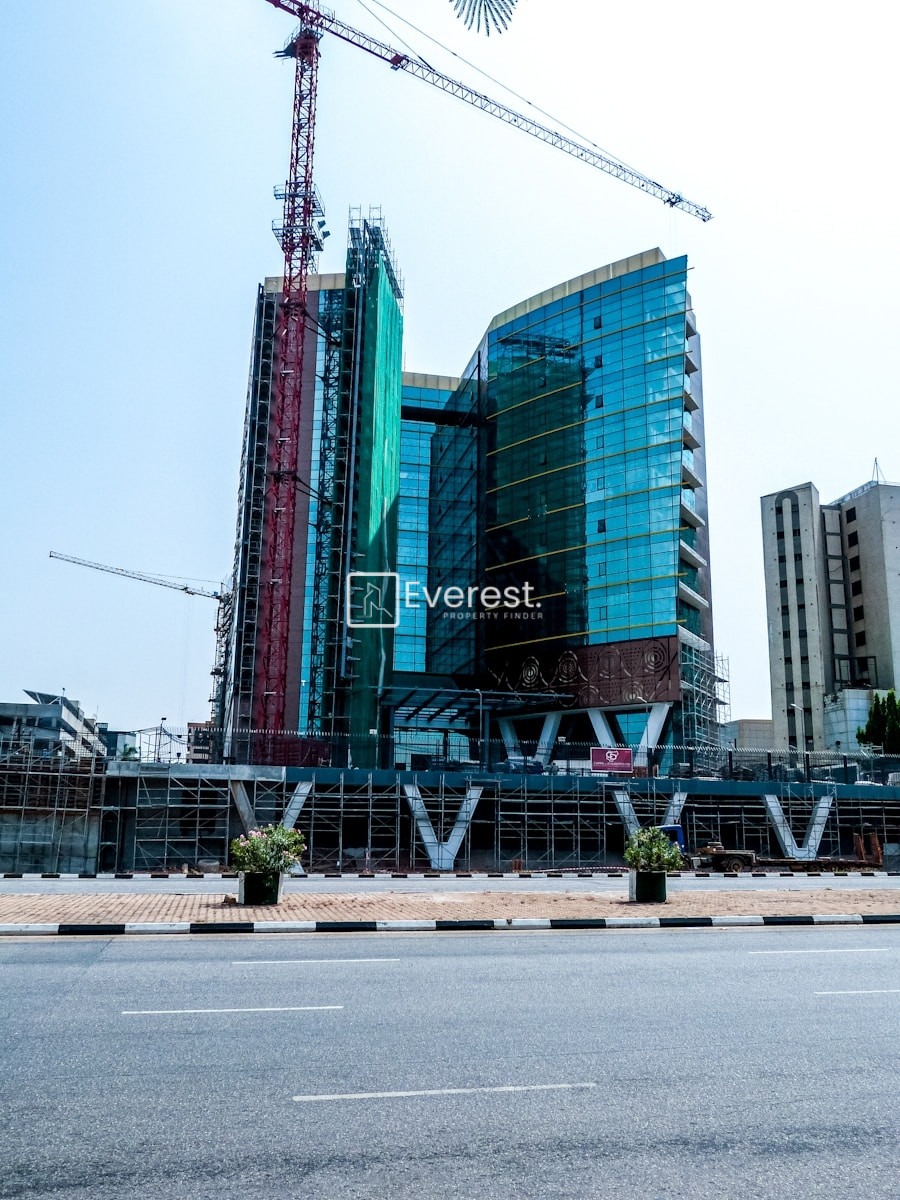

Introduction to Abuja’s Real Estate Market
Abuja, the capital city of Nigeria, has emerged as one of the most promising real estate markets in the nation. Its strategic location in the center of the country and status as the political and administrative heart of Nigeria contribute significantly to its allure for investors. Over the years, the Abuja property market has witnessed substantial growth, driven by a combination of increasing urbanization, economic development, and infrastructural improvements.
You may be interested to read: How to Find Genuine Rental Properties in Nairobi Without Getting Scammed
The significance of Abuja in Nigeria’s economy cannot be overstated. As the seat of the federal government, it attracts a diverse population, including expatriates, diplomats, and professionals from various sectors. This influx has led to a high demand for residential and commercial properties, positioning Abuja as a focal point for real estate investments. Consequently, many developers and investors are increasingly looking to the capital’s property sector for opportunities.
In recent years, various initiatives and policies aimed at enhancing the city’s infrastructure have also boosted investor confidence. The construction of new roads, expansion of public amenities, and development of residential estates have all contributed to making Abuja a desirable location for both living and conducting business. Additionally, the government’s efforts in creating a conducive environment for investment have further piqued the interest of local and foreign investors alike.

Furthermore, Abuja’s real estate market offers a wide range of opportunities, from luxury apartments and affordable housing to commercial spaces and land for development. The city’s demographic trends suggest a growing middle class with a keen interest in homeownership and modern living spaces, thereby driving further demand. With its dynamic environment and favorable investment climate, Abuja remains a pivotal player in Nigeria’s overall economic landscape, making it a prime target for real estate investments.
Factors Fueling Real Estate Investment in Abuja
Abuja, the capital city of Nigeria, has witnessed significant growth in real estate investment opportunities in recent years. This surge can be attributed to several underlying factors that collectively enhance its attractiveness for investors. One of the primary drivers is the notable population growth in the region. As more individuals relocate to Abuja in search of better economic prospects and quality of life, the demand for housing and commercial spaces has increased dramatically. This influx of residents has stimulated various segments of the real estate sector, encouraging both luxury and affordable property developments.
Urban development plays a crucial role in shaping the landscape of Abuja’s real estate market. The government is making substantial investments in infrastructure, including roads, public transportation, and essential services, which are pivotal in enhancing accessibility and livability. With improved infrastructure, areas that were once considered remote are becoming viable for development, thereby triggering real estate investment opportunities across the spectrum.
Moreover, Abuja’s strategic significance as a center for government and diplomatic activities cannot be overlooked. The presence of various embassies, international organizations, and governmental agencies not only bolsters job creation but also increases demand for both residential and commercial properties. This has established Abuja as a desirable location for expatriates and local professionals alike, which further fuels the real estate market.
Finally, the emergence of Abuja as a hub for diverse investment opportunities provides an appealing landscape for both local and foreign investors. The availability of properties ranging from luxury apartments to more affordable housing options caters to a broad audience, making it an ideal location to invest in real estate. As a result, the combination of population growth, urban development, government presence, and a diverse range of investment opportunities ensures that Abuja remains a focal point for real estate investments in Nigeria.
Abuja, the capital city of Nigeria, has seen significant growth in its real estate market, driven by various strategic locations that offer lucrative investment opportunities. Understanding these key locations is vital for investors seeking profitable prospects.
One prominent area is Jabi, known for its picturesque lake and well-developed infrastructure. This location attracts both residential and commercial investments due to its rapid urbanization and proximity to key government offices. The Jabi area exhibits an increasing demand for both apartments and office spaces as it becomes a focal point for professionals and families alike.
Another noteworthy location is Wuse, which stands as one of the oldest and most established districts in Abuja. Wuse is characterized by its vibrant commercial activities, making it a prime target for retail and mixed-use developments. The demographic profile of Wuse includes a blend of local residents and expatriates, creating a diverse market with a steady demand for rental properties.
Gwarinpa, dubbed the largest estate in West Africa, represents another key area for real estate investments. Gwarinpa’s expansive residential options cater to middle and upper-income families, with amenities such as schools, shopping centers, and recreational facilities enhancing its appeal. The demographic shift towards suburban living has bolstered its market demand, making Gwarinpa an astute choice for long-term investors.
Furthermore, the Central Business District (CBD) remains an attractive option, especially for commercial real estate. The CBD’s strategic importance, housing numerous corporations and government bodies, fuels a consistent demand for office spaces. The ongoing infrastructural developments in the CBD further enhance its investment potential, ensuring robust returns for stakeholders.
In summary, the real estate landscape in Abuja is marked by strategic locations such as Jabi, Wuse, Gwarinpa, and the Central Business District. Each area presents unique characteristics and demographics, contributing to a dynamic market ripe for investment.
Detailed Analysis of Prime Locations in Abuja
Abuja, the capital city of Nigeria, offers several prime locations for real estate investment, each with its unique characteristics and opportunities. This analysis will focus on key areas including Maitama, Asokoro, Wuse, Guzape, Gwarinpa, Jahi, Katampe, Lokogoma, Lugbe, and Apo.
Maitama is known for its upscale residential properties, attracting high-net-worth individuals and offering a robust rental market. The area’s demand is fueled by its proximity to government institutions and embassies, ensuring consistent rental income. Asokoro, another affluent neighborhood, presents similar prospects with luxury apartments and villas, highlighting its appeal to expatriates and diplomatic families. Security and well-maintained infrastructure further enhance its attractiveness.
Wuse serves as a commercial hub, ideal for investors looking into retail businesses. Its strategic location and accessibility support a thriving market, making it an excellent option for both residential and commercial property investments. Guzape offers more affordable housing, boasting significant potential for property appreciation given its ongoing developments. Gwarinpa is the largest estate in West Africa, appealing to mid-income earners and providing varied rental opportunities.
Jahi and Katampe have emerged as popular choices for young professionals, with modern developments increasing their desirability. Both areas are witnessing new infrastructure projects that enhance accessibility. Lokogoma and Lugbe present the advantage of lower property prices, appealing to first-time homebuyers, while still offering rental prospects due to their proximity to urban centers.
Apo, with its blend of residential and commercial zones, represents a dynamic investment area with significant growth potential. Each location possesses distinct advantages and potential drawbacks, including pricing trends influenced by market demand and infrastructure development. Thus, understanding these nuances is critical for potential buyers and investors looking to capitalize on Abuja’s flourishing real estate market.
Emerging Trends in Abuja’s Property Market
The property market in Abuja is currently experiencing significant transformation, influenced by several emerging trends. One notable trend is the rise of luxury apartments, which cater to the growing demand for high-end living spaces among affluent residents and expatriates. Developers are increasingly investing in premium amenities and modern designs to attract buyers seeking comfort and prestige in their living environments. This segment of the market is not only expanding due to high demand but also due to the desirable lifestyle and convenience that luxury apartments offer.
Another trend gaining traction is the incorporation of smart home technology in new developments. Smart homes are equipped with advanced technology that enhances the living experience by offering features such as automated lighting, security systems, and smart thermostats. This innovation is particularly appealing to a tech-savvy demographic, making properties equipped with such technology highly sought-after. The integration of these features not only adds to the desirability of the property but can also contribute to its overall value over time.
Moreover, short-let apartments have become increasingly popular, particularly among investors looking for lucrative rental opportunities. With the rise of platforms such as Airbnb, property owners see the benefit of short-term rentals, particularly in areas frequented by tourists and business travelers. This trend has led to a noticeable increase in short-let options available in Abuja, thereby creating new opportunities for both property owners and investors.
In addition to residential trends, the demand for commercial office spaces is on the rise, fueled by the expansion of businesses in the capital city. Government infrastructure projects, such as road developments and transportation improvements, have also catalyzed property appreciation in various areas. These projects enhance accessibility, thereby increasing demand for both residential and commercial properties. As Abuja continues to evolve, these trends highlight the dynamic nature of its real estate market, providing investors with numerous opportunities.
Rental Demand and Return on Investment (ROI)
Abuja, the capital city of Nigeria, has rapidly emerged as a focal point for real estate investment, primarily due to the strong rental demand that characterizes the market. Numerous factors contribute to this heightened demand, making it an attractive option for investors seeking lucrative returns. One significant factor is the continuous influx of individuals moving to Abuja for employment and education opportunities, which subsequently increases the need for quality rental properties.
The city is home to various governmental bodies, international organizations, and numerous private sector companies, all of which contribute to a steady flow of tenants looking for residential and commercial accommodations. This steady population growth ensures that the rental market remains vibrant, driving up rental prices and yielding significant returns for property owners. Additionally, the development of new infrastructure in the city has improved access to previously underdeveloped areas, leading to an increase in rental demand in these neighborhoods.
Furthermore, the rental yield in Abuja is notably promising compared to other cities in Nigeria, presenting a compelling case for potential investors. The average rental yields in key areas of the city can reach up to 8-10%, significantly higher than national averages in many regions. This favorable statistic is a strong selling point for investors, especially considering the relatively lower investment risk compared to purchasing properties in other volatile markets.
In addition to the robust rental demand, the regulatory environment in Abuja has been improving, promoting investor confidence. The government’s commitment to enhancing the real estate landscape is evident in various initiatives aimed at formalizing the rental market, further strengthening its appeal to investors. With these combined factors propelling the rental sector forward, Abuja stands out as a prime location for real estate investments, particularly for those interested in generating substantial returns through rental properties.
Practical Investment Advice for Buyers
For individuals considering entering the real estate market in Abuja, it is crucial to equip oneself with the necessary knowledge to navigate this dynamic landscape effectively. One of the foundational steps involves verifying the legitimacy of property documents. Prospective buyers should always request original documents such as land titles, survey plans, and other relevant paperwork. This verification process helps in avoiding potential disputes over ownership and ensures that the investment is secure.
Scams are unfortunately prevalent in the real estate sector. Investors must be aware of common fraudulent practices, which may include phantom listings and individuals posing as agents without proper credentials. Conducting thorough background checks on any property listed for sale and ensuring that the seller has the right to transfer ownership are essential steps in mitigating potential risks.
Physical inspections of properties cannot be overstated. It is advisable for investors to visit the property in person before making any purchase decisions. This allows buyers to assess the condition of the building, its location, and surrounding amenities, which can significantly influence its future value. Virtual tours may be convenient, but they often miss critical details that only an in-person visit can reveal.
Working with trusted real estate agents and experienced lawyers who specialize in property transactions in Abuja is paramount. These professionals can provide valuable insights and guidance throughout the investment process, ensuring compliance with local regulations and facilitating smoother negotiations.
Lastly, crafting a realistic budget is vital for any prospective investor. This includes not only the purchase price but also additional costs such as transfer fees, legal fees, and maintenance costs. By planning financially, buyers can make informed decisions and secure properties that align with their investment goals.
Identifying and Capitalizing on Real Estate Opportunities
In Abuja’s evolving real estate landscape, identifying lucrative investment opportunities requires a strategic approach. Investors should first consider land banking, a practice which involves purchasing land in areas anticipated to experience significant growth. This strategy not only allows for capital appreciation but also provides a hedge against market volatility. By researching urban development plans and government initiatives, investors can pinpoint regions where land values are likely to appreciate over time.
Another promising opportunity in Abuja is the demand for student housing. With several higher education institutions located in the city, there is a continuous influx of students seeking accommodation. Developing housing that caters specifically to students can yield high rental returns, as many parents prefer to secure stable living situations for their children. Investors can maximize their returns by understanding the demographics of the student body and crafting housing solutions that meet their specific needs.
Focusing on areas projected for growth is also crucial for capitalizing on real estate opportunities. Investors should monitor emerging neighborhoods that benefit from infrastructure developments, such as new roadways, schools, and hospitals. These projects often signal increased demand for housing and commercial spaces. Furthermore, leveraging technology, such as data analytics, can help investors track market trends, evaluate property values, and predict future demand. Engaging with local real estate experts and attending industry events can also provide valuable insights into market shifts.
By employing these strategies and staying informed about Abuja’s changing real estate landscape, investors can navigate challenges effectively and harness lucrative opportunities. Investing wisely requires a well-researched plan, an understanding of market dynamics, and a readiness to adapt to emerging trends in the market.
Conclusion and Call to Action
In summary, the real estate market in Abuja presents a wealth of investment opportunities that cater to various preferences and budget ranges. From luxurious residential properties to promising commercial ventures, the city is ripe for real estate investment, especially in areas designated for growth and development. The demand for housing in the capital continues to rise, while infrastructure projects enhance the city’s allure, making it a fertile ground for both novice and seasoned investors.
As detailed throughout this article, careful consideration of emerging neighborhoods, understanding market trends, and leveraging expert insights are pivotal steps toward successful real estate investments in Abuja. Investors must remain vigilant about local developments, policy changes, and economic indicators that could influence property values. Additionally, partnerships with reputable real estate firms can provide valuable guidance and access to exclusive listings.
As you embark on your investment journey, it is crucial to explore genuine opportunities that align with your financial goals and risk tolerance. This is where resources like Everest Property Finder come into play, offering a comprehensive platform to navigate the complexities of the real estate market in Abuja. Their expert advice and robust listings can aid you in identifying properties that not only secure your financial future but also enrich your portfolio.
Take the first step today. Contact Everest Property Finder to explore the best real estate investment opportunities in Abuja and turn your property dreams into reality. The time to invest is now; your future self will thank you for it.
Join The Discussion