



Tenancy Agreements in Nigeria for Landlords and Tenants – What You Need to Know

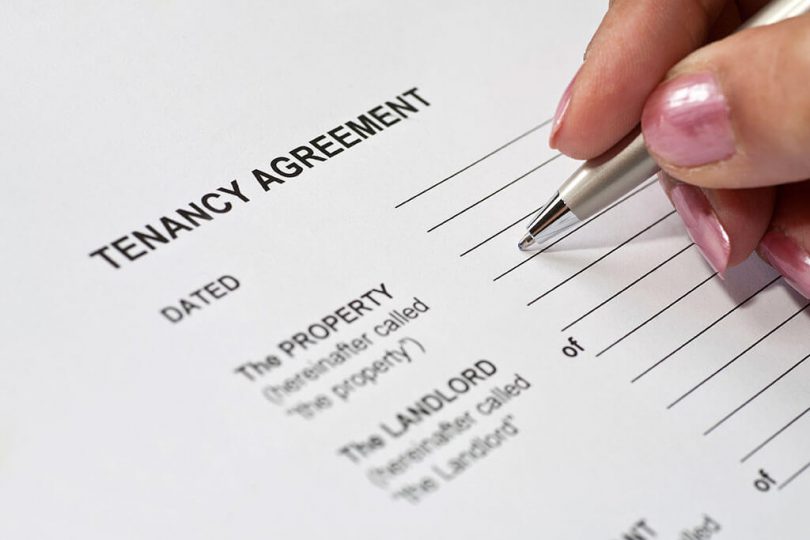
Tenancy Agreements in Nigeria: Renting or leasing property in Nigeria can be a smooth experience when both landlords and tenants understand their rights and responsibilities. Central to this relationship is the tenancy agreement—a legally binding document that outlines the terms of occupation. Whether you’re a landlord looking to protect your asset or a tenant seeking legal security, knowing the ins and outs of a tenancy agreement in Nigeria is crucial.
In this comprehensive guide, we’ll explore:
- What a tenancy agreement is
- Key clauses every agreement should contain
- Legal rights of both landlords and tenants
- Common disputes and how to resolve them
- Sample templates and legal resources
What is a Tenancy Agreement?
A tenancy agreement is a written or oral contract between a landlord and tenant that outlines the terms and conditions of a rental property. It defines the expectations, obligations, rights, and responsibilities of both parties during the rental period.
In Nigeria, tenancy agreements are governed by various state tenancy laws, such as:
- The Tenancy Law of Lagos State 2011
- The Recovery of Premises Act (Abuja)
- Common law and other state-specific rental regulations
📌 Related Read: How to Verify Land Documents in Nigeria
Why Tenancy Agreements are Essential
For Landlords:
- Protects property from misuse
- Legally backs up rent collection and eviction procedures
- Specifies maintenance obligations
For Tenants:
- Prevents arbitrary eviction
- Clarifies duration, rent, and payment terms
- Protects right to peaceful enjoyment of the property
Having a formal tenancy agreement helps avoid disputes and serves as proof in case of legal issues.
Types of Tenancy in Nigeria
- Fixed-Term Tenancy
- Lasts for a specific period (e.g., 1 or 2 years)
- Can be renewed at the end of the term
- Periodic Tenancy
- No fixed term; renews automatically (e.g., monthly or yearly)
- Common with informal rental arrangements
- Statutory Tenancy
- When a tenant remains after the tenancy expires but without landlord’s formal objection (protected by law in some cases)
Essential Clauses in a Nigerian Tenancy Agreement
When drafting a tenancy agreement, both parties must include the following:
1. Parties Involved
- Full names and addresses of the landlord and tenant
2. Property Description
- Address and type of property being rented
3. Duration of Tenancy
- Clear start and end date or renewal terms
4. Rent and Payment Terms
- Monthly/yearly rent
- Mode of payment
- Advance or deposit required
5. Security Deposit
- Usually equivalent to 1 month’s rent
- Conditions for refund or forfeiture
6. Utility and Maintenance Responsibilities
- Who pays for water, electricity, waste disposal, etc.
- Structural repairs vs. daily maintenance
7. Use of Premises
- Residential or commercial
- Restrictions on illegal or nuisance activities
8. Termination Clause
- Notice period required by each party
- Conditions for early termination
9. Default Clause
- Penalties for non-payment or breach of terms
10. Dispute Resolution
- Preferred method (e.g., mediation, arbitration, court)
Legal Rights and Obligations of Landlords
- Right to Rent Collection: Can demand agreed rent at the set time
- Right to Evict: Can seek legal eviction through a court process for breach of agreement
- Right to Entry: Must give prior notice before entering the property
- Obligation to Maintain Property: Responsible for major repairs and safety
Legal Rights and Obligations of Tenants
- Right to Peaceful Enjoyment: Cannot be unlawfully harassed or evicted
- Right to Written Agreement: Must be provided on request
- Obligation to Pay Rent on Time
- Obligation Not to Sublet (unless agreed)
- Duty to Maintain Cleanliness and Order
📌 Related Resource: Lagos Tenancy Law 2011
Notice Periods in Nigeria
According to Nigerian tenancy law, standard notice periods before terminating tenancy are:
| Length of Tenancy | Required Notice Period |
|---|---|
| Weekly Tenancy | 7 days |
| Monthly Tenancy | 1 month |
| Quarterly Tenancy | 3 months |
| Yearly Tenancy | 6 months |
Note: These can be altered in the tenancy agreement, but statutory minimums must be respected.
Common Tenancy Disputes and Resolution Methods
1. Non-Payment of Rent
- Landlord may issue a quit notice and seek possession through a court.
2. Damage to Property
- Landlord can deduct repair cost from the security deposit.
3. Illegal Subletting
- Landlord has a right to terminate the tenancy agreement.
4. Wrongful Eviction
- Tenant can sue for damages or reinstatement if evicted unlawfully.
Dispute Resolution Options:
- Negotiation
- Alternative Dispute Resolution (ADR)
- Court Proceedings (Magistrate or High Court)
Sample Tenancy Agreement Template (Basic Outline)
THIS TENANCY AGREEMENT is made on [Date] between:
Landlord Name: [Full Name] of [Address]
Tenant Name: [Full Name] of [Address]
Property: [Address and Description]
Term: [12 months] commencing on [Start Date]
Rent: [₦ Amount] per [month/year], payable in advance
Deposit: [₦ Amount] (refundable upon satisfactory inspection)
The Parties Agree as Follows:
- The Tenant shall pay rent on time
- The Tenant shall not sublet without written consent
- The Landlord shall maintain the structure of the building
- The Landlord shall give at least 24 hours’ notice before entry
- Termination requires [X] months’ notice from either party
Signed:
Landlord: ____________________________
Tenant: ____________________________
Tips for Drafting and Signing Tenancy Agreements
- Use a licensed legal practitioner to draft or review the agreement
- Always sign in the presence of a witness
- Keep a physical and digital copy
- Request official receipts for all payments
📌 Related Read: Questions to Ask Before Buying a Property
Final Thoughts
Tenancy agreements in Nigeria are essential for protecting both landlords and tenants. With well-defined clauses, a clear understanding of legal rights, and proper documentation, tenancy disputes can be avoided or resolved amicably.
Landlords: Be transparent, communicate regularly, and respect your tenant’s rights.
Tenants: Pay your rent, honor the agreement, and know your rights before signing anything.
For peace of mind, work with trusted real estate professionals or platforms like Everest Property Finder, where vetted properties and legal guidance are always available.
References and Resources
- Everest Property Finder – Legal Resources
- Lagos State Tenancy Law
- Recovery of Premises Act (Abuja)
- Nigerian Bar Association
- Legalnaija: Guide on Tenancy Agreements
🏠 Need help with a tenancy agreement? Contact Everest Property Finder for professional support today!