The Complete Guide to Buying Property in Nigeria (2026 Edition)
July 14, 2026
•
66 min read
• Home Buyer's Academy
Everything You Need to Know Before Buying Land, Houses, Apartments or Commercial Property in Nigeria
📖 Reading Time: 40 Minutes
📅 Last Updated: July 2026
Buying property is one of the most important financial decisions you will ever make. Whether you’re purchasing your first home, investing in rental property, buying land for future development, or expanding your real estate portfolio, making informed decisions can save you money, reduce risks, and protect your investment.
Nigeria’s real estate market offers tremendous opportunities, but it also requires careful planning, legal due diligence, financial preparation, and a clear understanding of the buying process.
This comprehensive guide by Everest Property Finder has been created to help you confidently navigate every stage of buying property in Nigeria—from choosing the right location and understanding legal documents to avoiding scams and completing a successful transaction.
Whether you’re buying an apartment in Lekki, a family home in Gwarinpa, a luxury property in Maitama, or land in Port Harcourt, this guide will equip you with the knowledge needed to make informed decisions.
About the Author
Everest Property Academy Editorial Team
The Everest Property Academy Editorial Team is dedicated to providing practical, reliable, and educational real estate resources for buyers, investors, renters, landlords, and property professionals across Nigeria and Africa.
Our content is carefully developed to help readers make informed property decisions through expert guidance, market insights, and educational resources.
Everest Property Finder is committed to making property transactions safer, more transparent, and more accessible across Nigeria and Africa.
Through verified listings, trusted real estate professionals, detailed Area Guides, educational resources, and innovative tools, our mission is to help buyers make confident property decisions.
Table of Contents
Chapter 1: Understanding the Nigerian Property Market
Why Understanding the Market Matters
Before you purchase any property, it’s important to understand how the Nigerian real estate market works. Buying a home or investing in land without understanding the market is similar to investing in a business without conducting proper research.
Nigeria has one of Africa’s largest and most dynamic property markets. Every year, thousands of residential and commercial properties are bought, sold, rented, and developed across the country. While this creates significant opportunities for wealth creation, it also means buyers need to make informed decisions based on reliable information rather than assumptions.
Understanding the market helps you identify good investment opportunities, recognize fair property prices, choose suitable locations, understand legal requirements, and avoid costly mistakes.
Whether you intend to buy a home for your family, invest in rental apartments, purchase land for future development, or acquire commercial property for your business, having a solid understanding of the market gives you a significant advantage.
What Makes Up the Nigerian Property Market?
The Nigerian property market consists of several sectors, each serving different purposes and buyers.
Residential Properties
Residential properties are designed primarily for people to live in.
Examples include:
Apartments
Flats
Duplexes
Detached Houses
Semi-Detached Houses
Terraced Houses
Villas
Bungalows
Penthouses
Serviced Apartments
Residential real estate represents the largest segment of Nigeria’s property market because housing remains one of the country’s greatest needs.
Residential properties may be purchased for:
Personal residence
Rental income
Short-let accommodation
Long-term investment
Retirement planning
Commercial Properties
Commercial properties are used for business purposes.
Examples include:
Office Buildings
Shopping Complexes
Retail Shops
Hotels
Event Centres
Restaurants
Petrol Stations
Medical Facilities
Commercial properties generally require larger investments but often generate higher rental income compared to residential properties.
Business owners typically prioritize:
Accessibility
Customer traffic
Parking availability
Security
Visibility
Industrial Properties
Industrial real estate supports manufacturing, logistics, production, and distribution.
Examples include:
Warehouses
Factories
Industrial Estates
Logistics Parks
Distribution Centres
Locations such as Trans Amadi (Port Harcourt), Apapa (Lagos), and parts of Ogun State remain important industrial markets.
Land
Land remains one of Nigeria’s most popular investment assets.
People purchase land for:
Future development
Residential construction
Commercial projects
Agriculture
Land banking
Capital appreciation
Because land transactions involve significant legal considerations, buyers should always verify ownership and planning approvals before making payments.
Primary Market vs Secondary Market
Understanding the difference between these two markets helps buyers choose the option that best suits their goals.
Primary Market
The primary market consists of newly built properties sold directly by developers.
Advantages include:
Brand-new construction
Modern designs
Developer warranties (where applicable)
Flexible payment plans
Off-plan purchase opportunities
Potential considerations:
Construction timelines
Project completion risks
Developer reputation
Secondary Market
The secondary market involves properties previously owned by individuals or companies.
Advantages include:
Immediate availability
Established neighborhoods
Opportunity to inspect the actual property
Greater room for price negotiation
Potential considerations:
Property age
Renovation costs
Maintenance history
Off-Plan Property Investments
An off-plan property is purchased before construction is completed—or, in some cases, before construction begins.
Many developers offer attractive payment plans for off-plan projects.
Benefits
Lower purchase prices
Flexible installment payments
Potential appreciation before completion
Opportunity to choose preferred units
Risks
Construction delays
Project cancellation
Changes to specifications
Financial difficulties affecting the developer
Before buying off-plan, research the developer’s history, inspect previous completed projects, and ensure the agreement clearly outlines delivery timelines and buyer protections.
Freehold and Leasehold Ownership
Although legal arrangements vary, buyers should understand the basic concepts.
Freehold
A freehold interest generally gives the owner long-term rights over the property, subject to applicable Nigerian land laws and regulations.
Leasehold
Leasehold ownership grants rights to occupy or use property for a specified period under agreed terms.
Understanding the type of ownership attached to a property is essential before making any purchase.
Major Factors That Influence Property Prices
Property prices in Nigeria are influenced by several factors.
Location
The old saying “location, location, location” remains true.
Properties in established areas with good infrastructure and strong demand generally command higher prices.
Examples include:
Lekki
Ikoyi
Victoria Island
Maitama
Asokoro
GRA Port Harcourt
Infrastructure
Areas with:
Good roads
Reliable electricity
Quality drainage
Schools
Hospitals
Shopping centres
often experience stronger property appreciation.
Security
Safe neighborhoods generally attract more buyers and tenants, increasing demand and supporting property values.
Economic Growth
Employment opportunities, new businesses, infrastructure projects, and population growth all contribute to increasing property demand.
Government Policies
Urban planning regulations, land administration processes, and infrastructure investments can significantly influence property values over time.
Why Some Locations Grow Faster Than Others
Not every area develops at the same pace.
Neighborhoods experiencing new infrastructure, improved road networks, growing commercial activity, and increasing housing demand often see stronger long-term appreciation.
This is one reason why many investors monitor developing areas before prices rise significantly.
Nigeria’s Leading Property Markets
Some of the country’s strongest real estate markets include:
Lagos
Nigeria’s commercial capital offers opportunities across luxury, middle-income, and investment-focused neighborhoods.
Popular areas include:
Lekki
Ikoyi
Victoria Island
Ajah
Chevron
Sangotedo
(Link these names to your Area Guides once published.)
Abuja
As Nigeria’s capital city, Abuja attracts government institutions, diplomatic missions, multinational companies, and professionals.
Popular districts include:
Maitama
Asokoro
Wuse
Jabi
Gwarinpa
Port Harcourt
Driven by the energy sector and commercial activities, Port Harcourt remains one of Nigeria’s strongest regional property markets.
Popular areas include:
GRA
Peter Odili Road
Woji
Trans Amadi
Choosing the Right Market for Your Goals
Different buyers have different objectives.
Ask yourself:
Are you buying to live in the property?
Are you investing for rental income?
Are you planning to resell in the future?
Do you want long-term appreciation?
Are you looking for commercial opportunities?
Your answers will influence the type of property, location, and budget that best suit your needs.
💡Key Takeaways
Before buying property in Nigeria, remember:
Understand the type of property you want.
Research the location thoroughly.
Compare multiple neighborhoods.
Learn the difference between new developments and resale properties.
Consider long-term appreciation, not just today’s price.
Verify every legal document before making payment.
Work with qualified professionals throughout the buying process.
Chapter Summary
Nigeria’s property market offers tremendous opportunities for homeowners and investors, but success begins with understanding how the market works. By learning about property types, ownership structures, market segments, and the factors that influence value, you’ll be better prepared to make confident decisions throughout your property-buying journey.
Did You Know?
📌 You can list your properties on Everest Property Finder For Free. Click here to proceed
Chapter 2
Types of Property You Can Buy in Nigeria
Choosing the Right Property for Your Lifestyle, Budget and Investment Goals
Every property serves a different purpose. Before making a purchase, it’s essential to understand the various property types available in Nigeria, their advantages, and which one best aligns with your financial goals and lifestyle.
Types of Property You Can Buy in Nigeria
One of the first decisions every property buyer must make is what type of property to purchase. Nigeria’s real estate market offers a wide variety of options, each designed to meet different lifestyle needs, family sizes, investment objectives, and budgets.
Some buyers are searching for their dream family home, while others are focused on rental income, commercial investments, or long-term land appreciation. Understanding the characteristics, advantages, and considerations of each property type will help you make a more informed decision.
In this chapter, we’ll explore the most common property types available in Nigeria and explain who they are best suited for.
Apartments are self-contained residential units within a larger building. They are among the most common property types in Nigeria’s major cities and are popular with professionals, young couples, students, retirees, and investors.
Modern apartment developments often include shared amenities such as parking, elevators, security, backup power, water treatment systems, gyms, swimming pools, and recreational areas.
Best For
First-time homebuyers
Young professionals
Small families
Rental investors
Short-let businesses
Advantages
Lower purchase price compared to standalone homes
Easier maintenance
Better security in gated developments
Attractive rental demand
Access to shared facilities
Things to Consider
Service charges
Homeowners’ association rules
Limited privacy compared to detached homes
Shared maintenance responsibilities
2. Duplexes
A duplex is a two-level residential property designed as a single home. Duplexes are highly sought after in Nigeria because they provide larger living spaces while maintaining a modern lifestyle.
Many luxury estates in Lagos, Abuja, and Port Harcourt feature contemporary duplex developments.
Best For
Growing families
Professionals
Executive homeowners
Long-term investors
Advantages
Spacious layout
Private compound
Higher resale value
Excellent rental income potential
Modern architectural designs
Things to Consider
Higher purchase price
Increased maintenance costs
Larger utility expenses
3. Detached Houses
Detached houses are standalone residential buildings that do not share walls with neighboring properties.
They offer the highest level of privacy and flexibility, making them one of the most desirable property types in Nigeria.
Best For
Large families
High-net-worth individuals
Long-term homeowners
Advantages
Complete privacy
Larger outdoor spaces
Greater flexibility for renovations
Premium investment value
Things to Consider
Higher purchase cost
Greater maintenance responsibilities
Larger land requirements
4. Semi-Detached Houses
Semi-detached houses consist of two homes sharing one common wall while maintaining separate entrances and living spaces.
They provide a balance between affordability and privacy.
Best For
Families
Middle-income buyers
Investors
Advantages
More affordable than detached houses
Good resale value
Spacious interiors
Suitable for family living
5. Terraced Houses
Terraced houses consist of multiple homes built side by side, sharing walls with adjacent units.
These developments have become increasingly popular in modern estates throughout Lagos and Abuja.
Best For
Young families
Professionals
Investors
Advantages
Modern designs
Better affordability
Estate security
Shared community facilities
6. Villas
Villas represent luxury residential living.
They are typically located within premium gated estates and often include features such as:
Swimming pools
Landscaped gardens
Smart home systems
Staff quarters
Large compounds
Premium finishes
Best For
Luxury buyers
Diplomats
Executives
Expatriates
7. Bungalows
Bungalows are single-storey homes that remain popular across Nigeria.
They are especially attractive to retirees and families with young children because all rooms are located on one level.
Advantages
Easy accessibility
Lower construction costs
Simple maintenance
Comfortable family living
8. Penthouses
Penthouses occupy the highest floors of luxury apartment buildings and represent some of the most exclusive residential properties available.
Typical features include:
Panoramic views
Private terraces
Luxury finishes
Premium security
Exclusive amenities
9. Serviced Apartments
Serviced apartments combine residential living with hotel-like services.
Residents may enjoy:
Housekeeping
Concierge services
Security
Backup electricity
Water supply
Fitness facilities
These properties are increasingly popular among expatriates and business travelers.
10. Land
Land remains one of the most popular investments in Nigeria because it provides flexibility for future development.
Types of land include:
Residential Land
Suitable for building homes.
Commercial Land
Designed for offices, shopping complexes, hotels, and business developments.
Industrial Land
Used for factories, warehouses, logistics, and manufacturing.
Agricultural Land
Used for farming, agribusiness, and food production.
Why Investors Love Land
Lower entry cost in many locations
Long-term appreciation potential
Flexible development options
Can generate substantial future returns
11. Office Spaces
Office properties are designed for businesses.
Examples include:
Corporate offices
Business centres
Co-working spaces
Medical offices
Professional consulting firms
12. Retail Shops
Retail properties include:
Shopping mall units
Street-facing shops
Markets
Showrooms
Boutiques
These properties generate income from commercial tenants.
13. Warehouses
Warehouses are essential for:
Logistics
Manufacturing
E-commerce
Distribution
Import and export businesses
Demand for warehouses continues to grow due to Nigeria’s expanding logistics and online retail sectors.
14. Mixed-Use Developments
Mixed-use developments combine multiple property types within one project.
Examples include:
Residential apartments
Offices
Restaurants
Shopping areas
Hotels
These developments create vibrant communities where people can live, work, shop, and relax in one location.
Which Property Type Is Right for You?
The right property depends on your goals.
Your Goal
Recommended Property
First Home
Apartment, Terrace House
Family Living
Duplex, Detached House
Luxury Living
Villa, Penthouse
Rental Income
Apartment, Serviced Apartment
Long-Term Investment
Land
Business
Office, Shop, Warehouse
Commercial Investment
Mixed-Use Development
💡Everest Expert Tip
Don’t buy a property simply because it’s available. Buy the property that matches your long-term goals, financial capacity, lifestyle, and investment strategy. A property that is perfect for one buyer may not be the right choice for another.
Chapter Summary
Choosing the right property type is one of the most important decisions in your real estate journey. Understanding the differences between residential, commercial, industrial, and investment properties helps you align your purchase with your financial goals, family needs, and long-term plans.
Whether you’re buying an apartment in Lekki, a duplex in Gwarinpa, a villa in Maitama, or commercial property in GRA Port Harcourt, taking the time to understand your options will help you make a smarter and more rewarding investment.
Did You Know?
📌 You can list your properties on Everest Property Finder For Free. Click here to proceed
Chapter 3
Choosing the Right Location
Why Location Is the Most Important Decision You’ll Make
You can renovate a house. You can upgrade a building. You can even rebuild an entire property. But you cannot change its location. That’s why experienced real estate investors always say: “Buy the location first, then the property.”
Chapter 3: Choosing the Right Location
One of the biggest mistakes property buyers make is focusing entirely on the house while paying little attention to its location.
A beautiful home in the wrong neighborhood may lose value over time, while an average home in a rapidly developing area can become an excellent long-term investment.
Location affects almost every aspect of property ownership, including:
Property value
Rental income
Capital appreciation
Security
Daily convenience
Quality of life
Future resale value
Choosing the right location should always come before choosing the property itself.
Define Your Purpose First
Before selecting a location, ask yourself why you’re buying the property.
Personal Residence
If you plan to live in the property, prioritize:
Safety
Good roads
Reliable utilities
Schools
Healthcare
Shopping centres
Commute time
Family-friendly environment
Investment Property
If you’re buying purely as an investment, focus on:
Rental demand
Population growth
Infrastructure development
Commercial expansion
Future appreciation
Occupancy rates
Commercial Property
Businesses should consider:
Customer accessibility
Parking
Visibility
Traffic flow
Business environment
Expansion opportunities
Characteristics of a Great Location
The best locations usually share several important characteristics.
1. Accessibility
Ask yourself:
Can I reach the property easily?
Are the roads motorable throughout the year?
How long is the commute to work?
Easy accessibility increases both property value and rental demand.
2. Security
Security should never be overlooked.
Research:
Crime levels
Estate security
Street lighting
Emergency services
Community safety
Secure neighborhoods generally experience stronger property appreciation.
3. Infrastructure
Infrastructure is one of the biggest drivers of property value.
Look for areas with:
Good road networks
Reliable electricity
Drainage systems
Water supply
Internet connectivity
Waste management
Government infrastructure projects often increase nearby property values over time.
4. Schools
Families place significant value on quality education.
Properties located near reputable schools often enjoy higher demand.
Examples include areas close to:
International schools
Universities
Colleges
Primary and secondary schools
5. Healthcare
Access to quality healthcare improves both convenience and property desirability.
Look for:
Hospitals
Medical centres
Specialist clinics
Pharmacies
6. Shopping and Lifestyle
Modern buyers appreciate convenience.
Nearby amenities such as supermarkets, restaurants, cafés, gyms, shopping malls, and entertainment centres contribute to a better lifestyle and can increase property values.
7. Employment Opportunities
Areas close to business districts often attract strong rental demand.
Examples include:
Victoria Island
Ikoyi
Maitama
Wuse
Trans Amadi
GRA Port Harcourt
Emerging vs Established Locations
One important investment decision is whether to buy in a well-established neighborhood or an emerging one.
Established Locations
Examples:
Ikoyi
Victoria Island
Maitama
Asokoro
GRA Port Harcourt
Advantages:
Mature infrastructure
Premium property values
Stable rental demand
Prestige
Challenges:
Higher purchase prices
Limited availability
Emerging Locations
Examples:
Sangotedo
Ajah
Parts of Ibeju-Lekki
Developing suburbs around Abuja
Advantages:
Lower entry prices
Strong appreciation potential
Greater choice
Challenges:
Ongoing infrastructure development
Longer investment horizon
Many experienced investors buy in emerging areas before prices rise.
Comparing Nigeria’s Major Property Markets
Lagos
Lagos is Nigeria’s commercial capital and the country’s largest real estate market.
Ideal for:
Rental income
Luxury homes
Commercial investments
Diaspora investors
Popular locations include:
Lekki
Ikoyi
Victoria Island
Ajah
Chevron
Osapa London
Ikate
Sangotedo
Abuja
Abuja combines government activity with luxury residential developments.
Ideal for:
Families
Diplomats
Professionals
Long-term investors
Popular locations include:
Maitama
Asokoro
Wuse
Jabi
Gwarinpa
Port Harcourt
Port Harcourt remains one of Nigeria’s leading commercial and energy-sector cities.
Ideal for:
Oil and gas professionals
Commercial property
Residential investment
Popular locations include:
GRA
Woji
Peter Odili Road
Trans Amadi
Ada George
Research Before You Buy
Never rely solely on photographs or advertisements.
Before making an offer:
Visit the neighborhood at different times of the day.
Observe traffic patterns.
Speak with residents.
Assess nearby developments.
Check for flood-prone areas.
Confirm access roads.
Evaluate future development plans.
Good research today can prevent expensive mistakes tomorrow.
Questions Every Buyer Should Ask
Before choosing a location, ask:
Why are properties in this area priced the way they are?
Is demand increasing or decreasing?
Are there major infrastructure projects planned?
Is the area suitable for my long-term goals?
How easy will it be to resell or rent the property?
What developments are taking place nearby?
Everest Property Finder Area Guides
One of the best ways to understand a neighborhood is to study reliable local information before making a purchase.
Everest Property Finder provides detailed Area Guides covering some of Nigeria’s most sought-after locations, including:
Lagos
Lekki
Ikoyi
Victoria Island
Ajah
Chevron
Osapa London
Ikate
Sangotedo
Abuja
Maitama
Asokoro
Wuse
Jabi
Gwarinpa
Port Harcourt
GRA
Woji
Peter Odili Road
Trans Amadi
Ada George
Each Area Guide provides information about:
Property market trends
Lifestyle
Infrastructure
Schools
Healthcare
Transportation
Investment potential
Popular property types
Reading these guides before buying property can help you compare neighborhoods and choose a location that aligns with your needs and long-term goals.
💡Everest Expert Tip
Never buy a property simply because it’s cheap. Buy in a location where people will still want to live, work, or invest five to ten years from now. Long-term demand is one of the strongest drivers of property value.
Chapter Summary
Location is one of the few factors in real estate that cannot be changed after purchase. Taking time to evaluate infrastructure, security, accessibility, amenities, employment opportunities, and future development plans will help you choose a property that not only meets your current needs but also supports long-term value and investment growth.
Whether you’re buying a family home in Gwarinpa, a luxury apartment in Ikoyi, or an investment property in Sangotedo, selecting the right location is one of the smartest decisions you can make.
Chapter 4
Setting Your Property Budget
Plan Beyond the Purchase Price
One of the biggest mistakes property buyers make is budgeting only for the property’s asking price. In reality, buying property involves several additional costs that can significantly affect your overall investment.
Setting Your Property Budget
Before you begin searching for your ideal property, it is important to determine how much you can realistically afford. A well-planned budget helps you narrow your options, negotiate confidently, and avoid financial strain after completing your purchase.
Many buyers focus only on the advertised price of a property. However, the total cost of buying real estate includes legal fees, agency commissions, taxes, registration costs, inspection fees, renovations, furnishing, and other expenses that are often overlooked.
Creating a comprehensive budget ensures that you are financially prepared for every stage of the buying process.
Step 1: Determine Your Purpose
Your budget should reflect the reason for your purchase.
Ask yourself:
Am I buying a home to live in?
Is this a rental investment?
Am I buying land for future development?
Is this a commercial property?
Will I renovate the property after purchase?
Your objective will influence how much you should allocate to different aspects of the purchase.
Step 2: Know Your Total Available Funds
Calculate how much money is actually available for your purchase.
Include:
Personal savings
Investment funds
Mortgage financing (if applicable)
Family contributions (if any)
Business funds (for commercial purchases)
Avoid committing to a purchase before confirming your available financing.
Everest Insight
Your property budget should never leave you financially vulnerable. Always maintain an emergency reserve after completing your purchase for unexpected repairs, maintenance, or personal expenses.
Step 3: Understand the Full Cost of Buying Property
The purchase price is only one part of the total investment.
You should also budget for the following:
Purchase Price
This is the agreed amount paid to acquire the property.
Always negotiate where appropriate.
Many sellers expect reasonable negotiations.
Legal Fees
A qualified real estate lawyer should review all documents before payment is made.
Legal services may include:
Document verification
Contract review
Title investigation
Property registration
Legal advice
Completion documentation
Never skip legal representation simply to reduce costs.
Agency Commission
If an estate agent facilitates the transaction, a commission may be payable depending on the agreement between the parties.
Always clarify:
Who pays the commission?
How much is payable?
When payment becomes due?
Ensure these terms are agreed upon in writing.
Survey Costs
Where necessary, engage a licensed surveyor to confirm property boundaries and ensure the survey information aligns with official records.
Survey verification can help prevent boundary disputes and future legal complications.
Registration Costs
After purchase, ownership documents may need to be registered with the appropriate government authorities.
Registration requirements vary depending on the state where the property is located.
Renovation Budget
Even newly purchased properties may require improvements.
Examples include:
Painting
Flooring
Plumbing
Electrical work
Kitchen upgrades
Bathroom renovations
Landscaping
Always inspect the property carefully and estimate renovation costs before making an offer.
Furnishing Costs
If you are purchasing a residential property, remember to budget for:
Furniture
Appliances
Curtains
Air conditioners
Lighting
Electronics
Kitchen equipment
These costs can add up quickly.
Moving Expenses
Many buyers overlook relocation costs.
Examples include:
Moving services
Cleaning
Utility connections
Internet installation
Security deposits
Temporary accommodation (if required)
Sample Property Budget
Expense
Estimated Allocation
Property Purchase Price
85–90%
Legal Fees
2–5%
Survey & Documentation
1–3%
Registration & Government Charges
Varies by state
Renovation & Repairs
Based on property condition
Furnishing
Based on personal preference
Emergency Reserve
Recommended
Note: These percentages are illustrative. Actual costs vary depending on the property, transaction structure, location, and applicable regulations.
Step 4: Avoid Overstretching Yourself
Buying the most expensive property you qualify for is not always the best decision.
Instead, consider whether you will still be financially comfortable after paying for:
Daily living expenses
School fees
Business obligations
Healthcare
Maintenance
Insurance (if applicable)
Emergency situations
Financial flexibility is just as important as property ownership.
Warning
Never use all your available savings to buy property. Unexpected expenses are common after purchase, and maintaining a financial cushion helps protect your investment and your peace of mind.
Step 5: Think Long-Term
Property ownership extends beyond the day you receive the keys.
Future costs may include:
Property maintenance
Estate service charges
Utility bills
Security
Landscaping
Repairs
Renovations
Property taxes or statutory charges (where applicable)
Understanding these ongoing responsibilities helps you choose a property you can comfortably maintain.
Budgeting for Different Property Types
Different property types often involve different financial commitments.
Apartments
Typical ongoing costs may include:
Service charges
Maintenance contributions
Shared facility management
Detached Houses
Owners are generally responsible for maintaining the building and surrounding land.
Land
Land purchases may involve:
Survey verification
Fencing
Site clearing
Security
Future development costs
Commercial Properties
Commercial investments may require additional budgeting for:
Business fit-outs
Compliance requirements
Tenant improvements
Building maintenance
Budgeting for Property Investment
If your goal is investment, don’t focus solely on purchase price.
Also consider:
Expected rental income
Vacancy risk
Maintenance costs
Future appreciation
Exit strategy
Local demand
A property that produces consistent long-term returns is often a better investment than one with the lowest purchase price.
Everest Budget Planning Checklist
Before making an offer, confirm that you have planned for:
Purchase price
Legal fees
Survey costs
Registration
Agent commission
Renovations
Furnishing
Moving expenses
Emergency reserve
Future maintenance
Completing this checklist will help you avoid unexpected financial pressure.
💡Everest Expert Tip
The smartest buyers don’t ask, “Can I afford to buy this property?” They ask, “Can I comfortably own and maintain this property over the next 10 to 20 years?” That mindset leads to better financial decisions and more sustainable property ownership.
Chapter Summary
Creating a realistic property budget is one of the most important steps in the buying process. Looking beyond the purchase price and planning for legal costs, documentation, maintenance, renovations, and future responsibilities helps ensure that your investment remains financially manageable.
Whether you are purchasing your first apartment, investing in commercial real estate, or acquiring land for future development, careful budgeting provides a strong foundation for a successful property purchase.
Did You Know?
📌 You can list your properties on Everest Property Finder For Free. Click here to proceed
Chapter 5
Understanding Property Documents
The Legal Foundation of Every Property Purchase
Before paying for any property, you must understand the documents that establish ownership, transfer rights, and legal interests. A beautiful property without proper documentation can become one of the most expensive mistakes you’ll ever make.
Understanding Property Documents
When buying property in Nigeria, one of the biggest mistakes buyers make is assuming that every seller has the legal right to sell the property.
Unfortunately, this is not always the case.
Some properties are sold with incomplete documentation, while others are involved in family disputes, government acquisition, multiple sales, or fraudulent transactions.
Understanding the purpose of each property document helps you ask the right questions, identify potential risks, and work effectively with your lawyer before making any payment.
Important: No single document guarantees that a property transaction is risk-free. Your lawyer should always verify the authenticity and legal status of the documents with the appropriate government authorities.
Why Property Documents Matter
Property documents help establish:
Ownership
Legal rights
Boundaries
Government recognition
Transfer history
Development approvals
Existing legal interests
Without proper documentation, proving ownership or transferring property in the future can become difficult.
1. Certificate of Occupancy (C of O)
What is a Certificate of Occupancy?
A Certificate of Occupancy, commonly called a C of O, is an official document issued by the government that recognizes a person’s or organization’s right to occupy and use land, subject to the applicable land laws and conditions.
The C of O is one of the most recognized land documents in Nigeria.
Why It Matters
A Certificate of Occupancy generally indicates that the government has formally recognized certain rights over the land.
It is often required for:
Property financing
Property registration
Future transactions
Major developments
Important Note
Having a C of O does not automatically guarantee that every aspect of a transaction is free from legal issues.
Your lawyer should still verify:
Authenticity
Ownership history
Encumbrances
Court disputes
Government records
Everest Expert Tip
Never rely solely on seeing a photocopy of a Certificate of Occupancy. Request proper legal verification through the relevant land authority before making payment.
2. Governor’s Consent
What is Governor’s Consent?
Under Nigerian land law, when an existing interest in land is transferred, certain transactions may require the consent of the State Governor or the relevant authority, depending on the nature of the transaction and applicable state procedures.
This approval is commonly referred to as Governor’s Consent.
Why It Matters
Governor’s Consent helps formalize certain transfers of land interests and may be required to perfect title in many transactions.
Common Situations
Governor’s Consent is frequently encountered when:
Buying previously owned property
Purchasing developed land
Transferring ownership
Requirements and procedures vary by state.
3. Deed of Assignment
What is a Deed of Assignment?
A Deed of Assignment is a legal document that records the transfer of ownership or interest in property from one party (the Assignor) to another (the Assignee).
It forms an important part of many property transactions.
What It Usually Contains
Seller details
Buyer details
Property description
Agreed consideration
Date of transfer
Rights transferred
Signatures
Why It Matters
The Deed of Assignment creates a written record of the transaction and is commonly used during title perfection and future transfers.
4. Survey Plan
What is a Survey Plan?
A Survey Plan is a technical document prepared by a licensed surveyor that identifies the exact location, size, dimensions, and boundaries of a parcel of land.
Why It Matters
A Survey Plan helps determine:
Property boundaries
Coordinates
Land size
Encroachments
Location accuracy
It also assists lawyers and surveyors in checking whether land is affected by government acquisition or other restrictions.
Everest Insight
Never assume the physical fence represents the true property boundary. Always compare the physical site with the official survey.
5. Registered Deed
A Registered Deed is a property document that has been formally registered with the appropriate government land registry.
Registration creates an official public record of the transaction or legal interest.
Registration requirements vary across Nigerian states.
6. Gazette
What is a Gazette?
A Gazette is an official government publication that may record land matters such as approved excisions or other government notices.
In many cases, buyers encounter Gazettes when purchasing land that has undergone an excision process.
Why Buyers Should Care
A Gazette may provide useful information about the status of certain land areas, but it should always be interpreted together with other legal documents and professional advice.
7. Excision
What is Excision?
Excision refers to the process through which government releases specific portions of land from a larger area that had been under government acquisition.
Once land has been validly excised, it may proceed through additional legal processes depending on applicable laws and approvals.
Important Reminder
Always confirm the actual status of any claimed excision through your lawyer and the appropriate government authority.
8. Deed of Gift
A Deed of Gift is used when property is transferred voluntarily without a sale, typically between family members or close relatives.
Although no purchase price may be involved, proper documentation and registration are still important.
9. Probate
Where a property owner dies leaving a valid Will, the estate is generally administered through a probate process in accordance with applicable law.
Buyers should ensure that the persons selling inherited property have the legal authority to do so.
10. Letter of Administration
If a property owner dies without leaving a valid Will, the appropriate court may issue a Letter of Administration authorizing designated administrators to manage the estate.
Buyers should confirm that the administrators have authority to transfer the property.
11. Power of Attorney
A Power of Attorney authorizes one person to act on behalf of another in specified matters.
In property transactions, a valid Power of Attorney may allow an authorized representative to sell or manage property.
However, buyers should ensure that:
The Power of Attorney is valid.
It covers the intended transaction.
The person acting has the necessary authority.
Common Mistakes Buyers Make
Many property disputes begin because buyers:
Do not inspect original documents.
Fail to engage a lawyer.
Rely solely on verbal promises.
Ignore document inconsistencies.
Purchase based on urgency or pressure.
Assume every document presented is genuine.
Avoid these mistakes by conducting proper due diligence.
Warning
Never make full payment for any property simply because the seller says, “The documents are complete.” Every document should be independently reviewed and verified by qualified professionals.
Property Document Checklist
Before proceeding with a purchase, ask your lawyer to review:
Certificate of Occupancy (where applicable)
Governor’s Consent (where applicable)
Deed of Assignment
Survey Plan
Registered title documents
Approved building plans (where applicable)
Tax and charge status (where applicable)
Any court orders or restrictions affecting the property
The documents required may differ depending on the property type, location, and transaction.
💡Everest Expert Tip
The cost of hiring an experienced property lawyer is almost always far less than the cost of resolving a property dispute after purchase. Professional legal advice is an investment in protecting your ownership and peace of mind.
Chapter Summary
Understanding property documents is one of the most important steps in buying real estate safely. Each document serves a different purpose, and together they help establish ownership, transfer rights, and legal interests.
Rather than relying on assumptions or verbal assurances, work with qualified legal professionals to verify every document before making payment. A careful approach today can help prevent disputes, financial loss, and unnecessary stress in the future.
Chapter 6
How to Verify Property Documents Before You Buy
Trust, But Always Verify
Never buy property based on promises, photocopies, or verbal assurances. Every document should be independently verified before you make any payment. Proper verification can protect your investment and give you peace of mind.
How to Verify Property Documents Before You Buy
Buying property is a significant financial commitment, and one of the most important steps in the process is verifying the property’s legal status.
Even if a seller appears trustworthy or the property looks attractive, appearances alone do not confirm ownership or guarantee that the property is free from legal problems.
Verification helps ensure that:
The seller has the legal right to sell the property.
The title documents are authentic.
The property is not under government acquisition.
There are no unresolved ownership disputes.
The property is not subject to court orders or other restrictions.
The information provided matches official government records.
Skipping this stage could expose you to financial loss, legal disputes, or delays in completing your transaction.
Step 1: Confirm the Seller’s Identity
Before examining the property itself, verify who is selling it.
Ask questions such as:
Is the seller the registered owner?
Is the seller acting under a valid Power of Attorney?
Is the property part of an inherited estate?
Is the seller a company or an individual?
Request appropriate identification and supporting documents.
If the seller is acting on behalf of someone else, confirm that they have the legal authority to do so.
Everest Expert Tip
Never rely solely on an agent’s assurance that “the owner is genuine.” Always confirm the seller’s legal authority through your lawyer.
Step 2: Request Original Documents
Ask to inspect the original property documents where possible.
Compare them carefully with any copies provided.
Your lawyer should review:
Certificate of Occupancy (if applicable)
Deed of Assignment
Survey Plan
Governor’s Consent (where applicable)
Other relevant title documents
Original documents provide more confidence than photocopies alone, although originals should still be verified independently.
A Survey Plan does more than show the shape of the land.
A licensed surveyor can use it to confirm:
The property’s exact location.
Boundary coordinates.
Land dimensions.
Whether the land falls within a government acquisition area.
Possible encroachments.
Survey verification is especially important when purchasing land.
Step 4: Conduct a Land Registry Search
One of the most important stages of due diligence is checking the property’s records with the appropriate government land authority.
Depending on the state, your lawyer may conduct searches to determine:
Registered ownership.
Existing legal interests.
Registered transfers.
Recorded restrictions.
Other relevant title information.
Procedures vary from state to state, so always work with a qualified legal professional familiar with the local process.
Step 5: Check for Government Acquisition
Some land may be affected by government acquisition or reserved for public purposes.
Before buying, confirm whether the property is affected by:
Government acquisition
Road expansion
Public infrastructure projects
Environmental restrictions
Planning limitations
Your surveyor and lawyer can help verify this information through the relevant authorities.
Warning
Purchasing land under government acquisition can lead to serious legal and financial consequences. Always confirm the property’s status before making payment.
Step 6: Confirm There Are No Legal Disputes
A property may appear legitimate while still being involved in legal proceedings.
Ask your lawyer to investigate whether the property is subject to:
Court cases
Family ownership disputes
Multiple ownership claims
Existing legal restrictions
Outstanding obligations affecting the title
Resolving these issues after purchase can be expensive and time-consuming.
Step 7: Inspect the Property Physically
Never rely solely on photographs or online listings.
Visit the property and inspect:
The surrounding neighborhood
Access roads
Drainage
Utility connections
Existing structures
Property boundaries
If possible, visit at different times of the day to understand traffic, security, and general activity.
Step 8: Speak with Neighbours
Long-term residents often know valuable information about a property and its history.
Without relying on rumours, politely ask general questions such as:
How long has the property been occupied?
Are there known ownership issues?
Has construction been ongoing recently?
Are there recurring flooding or access problems?
Neighbourhood observations can complement, but never replace, professional legal verification.
Step 9: Verify Building Approvals (Where Applicable)
If purchasing an existing building or an off-plan development, ask whether the necessary approvals have been obtained where required.
Depending on the project, this may include:
Building approvals
Planning approvals
Development permits
Completion certificates (where applicable)
Requirements vary depending on the location and nature of the development.
Step 10: Use Qualified Professionals
Property transactions involve legal, technical, and financial considerations.
Your team may include:
A real estate lawyer
A licensed surveyor
A registered estate surveyor and valuer (where appropriate)
Other qualified professionals depending on the transaction
Professional advice helps reduce risk and improves decision-making.
Red Flags You Should Never Ignore
Be cautious if:
The seller refuses to provide documents.
You are pressured to pay immediately.
The asking price is significantly below comparable properties without a clear explanation.
Different documents contain conflicting information.
Several people claim ownership of the same property.
The seller discourages independent legal verification.
If something feels wrong, pause the transaction until the concerns are properly addressed.
Everest Insight
Rushing a property purchase rarely saves money. Taking time to verify documents and investigate the property can prevent costly mistakes.
Property Verification Checklist
Before making payment, confirm that you have:
Verified the seller’s identity.
Reviewed all relevant property documents.
Confirmed the Survey Plan.
Conducted appropriate land registry searches.
Checked for government acquisition where applicable.
Investigated possible legal disputes.
Inspected the property physically.
Engaged qualified professionals.
Reviewed all contracts before signing.
Understood every payment you are making.
Common Verification Mistakes
Many buyers make avoidable mistakes, including:
Paying before document verification.
Trusting verbal assurances.
Skipping legal representation.
Failing to inspect the property.
Ignoring inconsistencies in documents.
Assuming all documents are genuine because they appear official.
Careful verification helps reduce these risks.
💡Everest Expert Tip
Property verification is not about distrusting the seller—it’s about protecting yourself. Even honest sellers can unknowingly provide incomplete information. Independent verification gives you confidence that you’re making an informed decision.
Chapter Summary
Verifying property documents is one of the most important responsibilities of any buyer. Every transaction should include careful review of the seller’s authority, title documents, survey information, government records, and the physical property itself.
By following a structured verification process and working with qualified professionals, you can significantly reduce the risk of disputes and make your property purchase with greater confidence.
Chapter 7
Common Property Scams and How to Avoid Them
Knowledge Is Your Best Protection
Real estate is one of the most rewarding investments you can make, but like any valuable asset, it can attract dishonest practices. The good news is that many property scams can be avoided through careful planning, professional advice, and proper verification.
Common Property Scams and How to Avoid Them
Most property buyers never expect to become victims of fraud.
Unfortunately, many scams succeed because buyers are excited, under pressure, or unfamiliar with the buying process.
The purpose of this chapter is not to create fear, but to help you recognize warning signs and reduce your risk.
Remember that the vast majority of real estate professionals conduct legitimate business. However, every buyer should approach every transaction with careful due diligence.
Why Property Scams Happen
Fraud often occurs when buyers:
Skip legal verification
Rush into making payments
Trust verbal promises instead of written agreements
Fail to inspect the property
Ignore inconsistencies in documentation
Try to save money by avoiding professional advice
Most scams become possible because proper checks were not completed.
Scam 1: Selling Property Without Legal Authority
One of the most common risks is purchasing property from someone who does not have the legal authority to sell it.
Examples may include:
Someone pretending to be the owner
An unauthorized family member
An individual claiming to represent the owner without proper authority
A person acting with invalid or insufficient documentation
How to Protect Yourself
Confirm the seller’s identity.
Verify ownership through your lawyer.
Review supporting documents.
Confirm any claimed authority to act on behalf of another person.
Scam 2: Multiple Sales of the Same Property
In some cases, dishonest individuals attempt to sell the same property to more than one buyer.
This often happens where buyers fail to conduct proper legal searches or delay completing documentation.
Warning Signs
Pressure to pay immediately
Claims that “many buyers are waiting”
Refusal to allow legal verification
Inconsistent information about ownership
Protection
Complete your due diligence before making payment.
Scam 3: Fake or Altered Documents
Modern technology has made it easier to produce convincing-looking documents.
However, appearance alone does not confirm authenticity.
Documents should always be independently verified through the appropriate government authorities and your legal adviser.
Everest Expert Tip
A document that looks genuine is not necessarily genuine. Independent verification is always more reliable than visual inspection alone.
Scam 4: Paying Before Verification
Some buyers pay deposits immediately because they fear losing the opportunity.
Unfortunately, rushing payment is one of the most common causes of avoidable losses.
Before making any payment:
Verify ownership.
Review documents.
Inspect the property.
Obtain legal advice.
Understand the terms of the agreement.
Scam 5: Family Ownership Disputes
Some properties belong to extended families or inherited estates.
If every legally required party has not agreed to the sale—or if proper authority has not been established—the transaction may become disputed later.
Protection
Ask your lawyer to confirm:
Who legally owns the property.
Whether additional approvals are required.
Whether the seller has authority to complete the sale.
Scam 6: Buying Land Affected by Government Acquisition
Some land may be reserved for roads, public infrastructure, environmental protection, or other government purposes.
Buying such land without proper investigation can create significant legal and financial challenges.
Protection
Your lawyer and surveyor should verify the land’s status with the appropriate authorities before purchase.
Scam 7: Unrealistically Low Prices
Everyone likes a good deal.
However, if a property’s asking price is dramatically lower than similar properties in the same location, take time to understand why.
Possible explanations may include:
Urgent sale
Property condition
Documentation issues
Legal disputes
Market factors
A low price is not automatically a scam, but it should encourage additional due diligence.
Warning
If a deal seems unusually attractive, slow down—not because it is necessarily fraudulent, but because it deserves closer examination.
Scam 8: Buying Without a Written Agreement
Verbal promises can easily be misunderstood.
Every important stage of a property transaction should be supported by appropriate written agreements prepared or reviewed by your lawyer.
Scam 9: Off-Plan Projects Without Proper Due Diligence
Off-plan developments can offer attractive opportunities, but buyers should research the developer carefully.
Before committing:
Review completed projects.
Check the developer’s reputation.
Understand payment schedules.
Read the purchase agreement carefully.
Clarify expected completion timelines.
Scam 10: Ignoring Professional Advice
Some buyers avoid hiring lawyers or surveyors in an effort to reduce costs.
Ironically, this decision often becomes far more expensive if problems arise later.
Professional advice should be viewed as part of protecting your investment.
Practical Tips for Staying Safe
Reduce your risk by following these good practices:
Never rush into a purchase.
Ask questions whenever something is unclear.
Verify every important document.
Inspect the property personally.
Keep copies of all correspondence.
Obtain receipts for every payment.
Use qualified professionals throughout the transaction.
Everest’s Safe Buying Checklist
Before paying for any property, ask yourself:
Have I confirmed who owns the property?
Have I verified the documents?
Have I inspected the property?
Has my lawyer reviewed the transaction?
Have I confirmed the property’s legal status?
Do I understand every document I am signing?
Am I comfortable with the transaction?
If the answer to any of these questions is “No,” pause and resolve the issue before proceeding.
Everest Insight
Confidence in a property purchase comes from information, not urgency. Buyers who take time to verify, inspect, and seek professional advice are generally better positioned to make informed decisions.
Real-Life Lessons
While every transaction is different, many property disputes share common themes:
Important documents were not verified.
Buyers relied only on verbal assurances.
Professional advice was not obtained.
Payments were made too early.
Basic due diligence was skipped.
Learning from these patterns can help you avoid repeating the same mistakes.
Chapter Summary
Property scams are often preventable. By slowing down, asking the right questions, verifying documents, inspecting the property, and working with qualified professionals, you can significantly reduce your exposure to unnecessary risk.
Buying property should be an exciting milestone—not a stressful experience. Taking a careful, informed approach helps protect both your investment and your future.
💡Everest Expert Tip
The safest property purchase is rarely the fastest one. Take the time to verify, investigate, and understand every aspect of the transaction before making a commitment. A little patience today can save years of legal and financial difficulties.
Did You Know?
📌 You can list your properties on Everest Property Finder For Free. Click here to proceed
Chapter 8 Working with Estate Agents.
Choosing the Right Professional to Guide Your Property Journey
A knowledgeable and ethical estate agent can save you time, introduce you to suitable properties, and help coordinate the buying process. The key is choosing the right professional and understanding how to work with them effectively.
For many buyers, an estate agent is the first person they meet during their property search.
A professional estate agent can help you identify suitable properties, arrange inspections, communicate with sellers, negotiate terms, and coordinate different stages of the transaction.
However, like any profession, experience, qualifications, and service quality can vary. Understanding how estate agents work will help you build productive relationships and make informed decisions throughout your property journey.
What Does an Estate Agent Do?
Estate agents act as intermediaries between property owners and potential buyers or tenants.
Depending on the transaction, an agent may assist with:
Marketing properties
Matching buyers with suitable listings
Arranging property inspections
Coordinating meetings
Facilitating negotiations
Communicating with sellers
Providing market information
Assisting throughout the transaction process
Remember that legal advice should come from your lawyer, while technical surveys should be handled by qualified surveyors.
Benefits of Working with an Estate Agent
Working with a competent estate agent offers several advantages.
Access to More Properties
Agents often have access to properties that may not be widely advertised.
This can save buyers significant time during their property search.
Local Market Knowledge
Experienced agents understand:
Property values
Popular neighbourhoods
Market trends
Rental demand
Buyer preferences
Their local knowledge can help you compare different areas more effectively.
Saving Time
Instead of contacting multiple sellers individually, an agent can shortlist properties that match your:
Budget
Preferred location
Property type
Lifestyle needs
This makes the search process much more efficient.
Negotiation Support
An experienced agent may help facilitate negotiations between buyers and sellers.
Effective negotiation involves more than discussing price. It may also include:
Payment timelines
Included fixtures
Handover dates
Conditions of sale
Choosing the Right Estate Agent
Not every agent will be the right fit for your needs.
When selecting an agent, consider:
Experience
Ask:
How long have you worked in real estate?
Which areas do you specialize in?
What property types do you handle most often?
Experience often leads to better market knowledge.
Communication
Choose someone who:
Responds promptly
Answers questions clearly
Keeps you informed
Provides accurate information
Listens to your requirements
Good communication reduces misunderstandings.
Market Knowledge
A knowledgeable agent should understand:
Current market prices
Area trends
Infrastructure developments
Property demand
Investment opportunities
They should be able to explain why a property is priced the way it is.
Professional Conduct
Look for professionals who:
Respect your budget
Avoid unnecessary pressure
Encourage due diligence
Provide accurate information
Act transparently throughout the process
Questions to Ask an Estate Agent
Before committing to a property, consider asking:
How long has the property been on the market?
Why is the owner selling?
Are there similar properties nearby?
What is included in the sale?
Are there service charges?
Has the property undergone major renovations?
Are there known issues with the property?
What documents are available?
These questions help you gather useful information before making decisions.
Understanding Agency Fees
Estate agents may charge commissions depending on the transaction and the agreement between the parties.
Before proceeding, clarify:
Who is responsible for paying the commission?
When is it payable?
What services are included?
Will there be additional charges?
Always request written confirmation of any agreed fees.
Everest Insight
Never assume that every property advertised by different agents has the same asking price. Compare listings and ask questions if you notice significant differences.
Working Effectively with Your Agent
To get the best results:
Be Clear About Your Requirements
Tell your agent:
Budget
Preferred locations
Property type
Number of bedrooms
Investment goals
Timeline
The more information you provide, the better they can assist you.
Be Honest About Your Budget
Avoid requesting properties that are far beyond your financial capacity.
A realistic budget allows the agent to recommend suitable options.
Ask for Property Details Before Visiting
Request information such as:
Photos
Property description
Location
Asking price
Available documents
Service charges (if applicable)
This helps you prioritize viewings.
Take Notes During Inspections
During each viewing, record:
Property condition
Repairs required
Neighbourhood observations
Questions to investigate later
Comparing notes makes it easier to evaluate multiple properties.
Red Flags to Watch For
Exercise caution if:
You are pressured to pay immediately.
Important questions are avoided.
Documents cannot be produced.
Information changes frequently.
You are discouraged from involving a lawyer.
The agent refuses independent verification.
If something feels unclear, ask for clarification before proceeding.
Warning
Never allow excitement about a property to replace proper due diligence. A professional agent should support your decision to verify documents and obtain independent legal advice.
Everest Property Finder is designed to make the property search process more transparent, convenient, and informative.
Through the platform, buyers can:
Browse properties across Nigeria and Africa.
Filter listings by location, budget, property type, and features.
Compare multiple properties side by side.
Save favourite listings.
Receive property alerts.
Contact agents directly.
Schedule property viewings.
Report suspicious listings.
Read Area Guides before choosing a location.
These tools help buyers make better-informed decisions throughout their property search.
Working with Other Professionals
An estate agent is only one member of your property-buying team.
Depending on the transaction, you may also work with:
A real estate lawyer
A licensed surveyor
A registered estate surveyor and valuer
Financial advisers (where applicable)
Mortgage providers (where applicable)
Each professional contributes specialist expertise that supports a safer transaction.
💡Everest Expert Tip
A great estate agent doesn’t pressure you into buying a property—they help you make the right decision. Choose professionals who value transparency, communicate clearly, and encourage proper due diligence throughout the process.
Chapter Summary
Estate agents play an important role in helping buyers find suitable properties, arrange inspections, facilitate negotiations, and coordinate transactions. Choosing an experienced, knowledgeable, and professional agent can make the buying process smoother and more efficient.
At the same time, buyers should remain actively involved by asking questions, verifying information, engaging qualified legal professionals, and making informed decisions based on evidence rather than pressure.
Did You Know?
📌 You can list your properties on Everest Property Finder For Free. Click here to proceed
Chapter 9 Buying Property While Living Abroad
A Practical Guide for Nigerians in the Diaspora and International Buyers
Living outside Nigeria does not prevent you from owning property at home. With proper planning, professional advice, and careful verification, you can confidently purchase real estate while managing much of the process remotely.
Many Nigerians living abroad dream of owning a home, building a retirement residence, investing in rental property, or acquiring land for future development.
Advances in technology have made it easier than ever to search for properties, communicate with professionals, review documents, and monitor transactions from anywhere in the world.
However, distance also creates additional responsibilities. Without the ability to inspect properties personally or meet sellers face-to-face, buyers must rely on structured processes, qualified professionals, and independent verification.
This chapter explains how to safely purchase property while living outside Nigeria.
Why Nigerians in the Diaspora Invest in Property
People living abroad buy property in Nigeria for many reasons, including:
Building a retirement home
Investing for rental income
Creating long-term family wealth
Purchasing land for future development
Providing accommodation for relatives
Diversifying investments
Returning home in the future
Real estate continues to be one of the preferred long-term investments for many Nigerians in the diaspora.
Challenges of Buying Property from Abroad
Buying remotely presents unique challenges.
Common concerns include:
Inability to inspect the property personally
Limited knowledge of the local market
Difficulty verifying documents
Coordinating multiple professionals
Managing payments securely
Finding trustworthy representatives
Fortunately, these challenges can be managed with proper planning.
Step 1: Define Your Investment Goal
Before searching for property, ask yourself:
Am I buying to live there?
Is this a rental investment?
Am I buying land?
Do I plan to develop the property immediately?
What is my expected investment timeline?
Clear objectives make every subsequent decision easier.
Step 2: Research the Location Carefully
Location becomes even more important when purchasing from overseas.
Study:
Infrastructure
Security
Accessibility
Rental demand
Future developments
Schools
Healthcare
Commercial activity
Use trusted resources such as Everest Property Finder’s Area Guides to compare different locations before making a decision.
Everest Insight
Buying a property in the right location is often more important than buying the largest property. Strong locations generally provide better long-term value and greater flexibility if you decide to sell or rent in the future.
Step 3: Build a Trusted Professional Team
Buying from abroad should never be a one-person process.
Your professional team may include:
A real estate lawyer
A licensed surveyor
A registered estate surveyor and valuer (where appropriate)
A reputable estate agent
Financial advisers (if needed)
Each professional has a specific role in helping protect your interests.
Step 4: Verify Every Property Document
Distance should never replace due diligence.
Ask your lawyer to independently verify:
Title documents
Survey information
Ownership records
Government registrations
Existing legal interests
Property history
Never rely solely on scanned copies or photographs.
Step 5: Request Virtual Property Tours
If travelling is not practical, ask for:
Live video walkthroughs
Exterior views
Surrounding neighbourhood footage
Close-up inspections of important areas
A live virtual tour allows you to ask questions in real time and see areas that may not appear in promotional photos.
Step 6: Arrange an Independent Property Inspection
Where possible, engage an independent professional to inspect the property.
The inspection may include:
Structural observations
General condition
Boundaries
Accessibility
Visible maintenance issues
Environmental observations
Independent inspections provide an additional layer of confidence before purchase.
Step 7: Understand the Payment Process
Before transferring funds, confirm:
Who is receiving payment.
Why the payment is required.
The agreed payment schedule.
What documentation will be issued after payment.
Keep clear records of all transactions, receipts, agreements, and correspondence.
Warning
Never send funds simply because someone says another buyer is ready to take the property. Urgency should never replace proper verification.
Step 8: Consider Using a Power of Attorney (Where Appropriate)
If you cannot travel to Nigeria during the transaction, there may be situations where granting a Power of Attorney to a trusted representative is appropriate.
Before doing so:
Obtain independent legal advice.
Clearly define the powers being granted.
Understand any limitations.
Keep proper records.
The appropriate approach depends on your individual circumstances.
Step 9: Stay Involved Throughout the Process
Even when professionals are handling different aspects of the transaction, remain actively involved.
Request regular updates.
Review documents carefully.
Ask questions whenever something is unclear.
Being overseas should not mean becoming disconnected from your investment.
Common Mistakes Diaspora Buyers Make
Some buyers experience difficulties because they:
Purchase without independent legal advice.
Skip property inspections.
Rely entirely on relatives or friends.
Ignore document verification.
Pay before completing due diligence.
Fail to research the neighbourhood.
Avoiding these mistakes significantly reduces risk.
Everest Property Finder for Diaspora Buyers
Everest Property Finder helps overseas buyers explore properties across Nigeria through tools designed to make remote property searches more convenient.
Features include:
Advanced property search
Area Guides
Property comparison
Saved searches
Property alerts
Direct communication with agents
Property reporting
Schedule property viewing requests
These features help buyers make informed decisions before travelling or committing to a purchase.
Diaspora Buyer Checklist
Before purchasing property from abroad, confirm that you have:
Defined your investment goal.
Researched the location.
Engaged a lawyer.
Verified all property documents.
Arranged an independent inspection.
Understood the payment process.
Kept copies of all agreements.
Asked every question you need answered before committing.
💡Everest Expert Tip
Buying property from abroad requires more planning—not more fear. By working with qualified professionals, verifying documents independently, and staying involved throughout the transaction, you can confidently invest in Nigerian real estate while living overseas.
Chapter Summary
Owning property in Nigeria while living abroad is entirely achievable with the right preparation and professional support. By defining your goals, researching locations, verifying documents, inspecting properties, and maintaining clear communication with your professional team, you can significantly reduce risk and make well-informed investment decisions.
Whether you’re purchasing a retirement home, rental property, or land for future development, patience, due diligence, and trusted professional guidance remain the keys to a successful transaction.
Did You Know?
📌 You can list your properties on Everest Property Finder For Free. Click here to proceed
Chapter 10
The Complete Property Buying Process
A Step-by-Step Roadmap from Property Search to Ownership
Buying property becomes much less intimidating when you understand each stage of the journey. Following a structured process helps you stay organized, avoid costly mistakes, and make informed decisions every step of the way.
The Complete Property Buying Process
Buying property is not a single event—it is a process. From identifying your needs to receiving the keys or taking possession of your land, every stage requires careful planning and informed decision-making.
Whether you’re buying a home, commercial property, or land, the following roadmap provides a practical framework to help you navigate the transaction confidently.
Step 1: Define Your Goals
Every successful property purchase begins with a clear objective.
Ask yourself:
Why am I buying this property?
Is it for personal use or investment?
What type of property do I need?
Which locations fit my goals?
What is my timeline?
Having clear answers will make every other decision easier.
Everest Insight
Buyers with clear objectives usually make better purchasing decisions because they focus on properties that genuinely meet their needs rather than being distracted by every listing they see.
Step 2: Set Your Budget
Determine how much you can comfortably afford.
Your budget should include:
Purchase price
Legal fees
Documentation costs
Registration fees
Renovation costs
Furnishing
Moving expenses
Emergency reserve
Never budget only for the advertised property price.
Step 3: Research the Market
Before contacting sellers or agents:
Research:
Property prices
Different neighbourhoods
Infrastructure
Security
Rental demand
Future developments
Compare multiple locations before making a shortlist.
Step 4: Search for Suitable Properties
Begin searching using trusted property platforms.
Compare:
Price
Property type
Size
Features
Location
Accessibility
Investment potential
Avoid making decisions based solely on photographs.
Step 5: Shortlist Your Preferred Properties
Instead of viewing dozens of properties, narrow your search to the best options.
Compare factors such as:
Budget
Location
Property condition
Amenities
Future value
Maintenance requirements
Creating a shortlist saves time and improves decision-making.
Step 6: Arrange Property Inspections
Inspect every shortlisted property carefully.
During the inspection, evaluate:
Building condition
Structural quality
Plumbing
Electrical systems
Roofing
Drainage
Security
Parking
Neighbourhood
Take photographs and notes for comparison later.
💡Everest Expert Tip
Visit the property at different times of the day whenever possible. Morning, afternoon, and evening visits can reveal different traffic patterns, noise levels, and neighbourhood activity.
Step 7: Verify the Property Documents
Before discussing payment, ask your lawyer to verify:
Ownership
Title documents
Survey Plan
Government records
Legal status
Property history
Never skip this stage.
Step 8: Negotiate the Purchase
Once verification is progressing satisfactorily, negotiate the terms.
Negotiation may include:
Purchase price
Payment schedule
Completion date
Included fixtures
Possession date
A successful negotiation aims for a fair outcome for both parties.
Step 9: Sign the Necessary Agreements
Before making significant payments:
Ensure all agreements are:
Clearly written
Legally reviewed
Properly signed
Understood by all parties
Never sign documents you do not fully understand.
Step 10: Make Payment
When it’s time to pay:
Follow the agreed payment terms.
Obtain official receipts.
Keep copies of all payment records.
Retain bank confirmations and supporting documents.
Maintain organized records throughout the transaction.
Warning
Avoid making large cash payments without proper documentation. Maintain a clear and traceable record of every payment connected to the transaction.
Step 11: Complete the Transfer Process
Following payment, the necessary legal steps should be completed to transfer the property interest in accordance with applicable laws and procedures.
Your lawyer will advise you on the documentation and registration required in your state.
Step 12: Take Possession
Once all agreed conditions have been satisfied:
Collect keys (if applicable)
Receive original documents
Confirm possession
Inspect the property again
Record the property’s condition
For land purchases, confirm the boundaries before taking possession.
Step 13: Secure Your Investment
After taking possession:
Consider:
Changing locks (where appropriate)
Arranging insurance (where available)
Securing important documents
Planning maintenance
Keeping digital and physical copies of all records
Good record-keeping protects your ownership over the long term.
Your Property Buying Timeline
Stage
Action
1
Define your property goals
2
Set a realistic budget
3
Research locations and market prices
4
Search for suitable properties
5
Create a shortlist
6
Inspect the property
7
Verify ownership and documents
8
Negotiate terms
9
Sign legal agreements
10
Make payment
11
Complete legal transfer and registration
12
Take possession
13
Protect and maintain your investment
Common Mistakes to Avoid
Many buyers encounter problems because they:
Skip document verification.
Rush inspections.
Ignore legal advice.
Fail to budget properly.
Buy based on emotion rather than evidence.
Forget to keep proper records.
Following a structured process helps reduce these risks.
Everest Buyer’s Success Checklist
Before you celebrate your purchase, confirm that you have:
Clearly defined your goals.
Stayed within your budget.
Inspected the property.
Verified all documents.
Engaged a qualified lawyer.
Understood every agreement.
Kept records of all payments.
Received the relevant documents.
Taken possession of the property.
💡Everest Expert Tip
Buying property isn’t about completing the transaction quickly—it’s about completing it correctly. A careful, well-organized process protects your investment and gives you confidence that you’ve made a sound decision.
Chapter Summary
Buying property involves a series of important decisions, each building on the one before it. By following a structured process—from defining your goals and setting a budget to verifying documents, negotiating terms, completing legal formalities, and taking possession—you greatly improve your chances of a successful and rewarding purchase.
Whether you’re buying your first apartment, investing in land, or acquiring commercial real estate, patience, preparation, and professional advice remain the foundations of every successful property transaction.
Chapter 11
Frequently Asked Questions (FAQ)
Answers to the Most Common Questions About Buying Property in Nigeria
Buying property comes with many questions, especially for first-time buyers and Nigerians living abroad. This chapter answers some of the most frequently asked questions to help you make informed decisions.
Frequently Asked Questions
1. Can foreigners buy property in Nigeria?
Yes. Foreign nationals can acquire interests in property in Nigeria, subject to applicable Nigerian laws and state-specific regulations. The legal requirements and ownership structures may differ depending on the location and nature of the transaction.
Because these rules can vary, foreign buyers should always seek independent legal advice before purchasing property.
2. Can Nigerians living abroad buy property without travelling to Nigeria?
Yes.
Many Nigerians in the diaspora successfully purchase property while living overseas by working with qualified professionals, verifying documents, conducting virtual inspections, and following proper legal procedures.
Where appropriate, legal representatives can assist with parts of the transaction, but buyers should remain actively involved throughout the process.
3. Is it better to buy land or a completed house?
There is no single answer.
It depends on your goals.
Buying land may suit you if you:
Want long-term appreciation
Plan to build later
Prefer designing your own home
Have a flexible timeline
Buying a completed property may suit you if you:
Want to move in immediately
Prefer rental income sooner
Want to avoid construction management
Need predictable costs
4. Should I use an estate agent?
Working with a professional estate agent can save time and improve your property search.
However, you should still:
Conduct independent verification.
Engage your own lawyer.
Inspect the property.
Ask questions.
Review all documentation carefully.
An estate agent should complement—not replace—your due diligence.
5. Do I still need a lawyer if an agent is involved?
Yes.
Estate agents and lawyers perform different roles.
An estate agent helps facilitate the property search and transaction, while your lawyer protects your legal interests by reviewing documents, verifying ownership, and advising on the transaction.
6. How do I know if a property’s documents are genuine?
Documents should be independently verified through the appropriate government authorities and reviewed by your lawyer.
Never rely solely on photocopies, scanned documents, or verbal assurances.
7. How much money should I budget beyond the purchase price?
In addition to the purchase price, buyers should plan for expenses such as:
Legal fees
Documentation costs
Registration charges
Survey-related expenses
Renovations (where needed)
Furnishing
Moving costs
Emergency reserves
The exact costs vary depending on the property, location, and transaction.
8. Can I negotiate the asking price?
In many transactions, there may be room for negotiation.
The outcome depends on factors such as:
Market conditions
Property demand
Seller expectations
Property condition
Comparable sales
Approach negotiations respectfully and base your offer on market evidence.
9. What should I inspect before buying a property?
During your inspection, pay attention to:
Structural condition
Roofing
Plumbing
Electrical systems
Drainage
Water supply
Security
Parking
Road access
General maintenance
If necessary, engage qualified professionals to assist with technical assessments.
10. How long does the buying process take?
The timeline varies depending on:
Document verification
Negotiations
Payment arrangements
Legal review
Registration procedures
Government processing times
Some transactions may be completed relatively quickly, while others require additional time.
11. Is buying off-plan property a good idea?
Off-plan developments can offer attractive pricing and flexible payment plans.
However, buyers should carefully research:
The developer’s track record
Previous completed projects
Contract terms
Construction timelines
Payment schedules
Understand both the opportunities and the risks before committing.
12. How can I reduce the risk of property fraud?
You can significantly reduce risk by:
Hiring a qualified lawyer
Verifying all documents
Inspecting the property
Confirming ownership
Avoiding rushed payments
Working with reputable professionals
Keeping complete transaction records
Due diligence remains your strongest protection.
13. What documents should I receive after buying property?
The documents you receive depend on the nature of the transaction.
Your lawyer will advise you on the documents relevant to your purchase and any registration or title perfection steps that may follow.
Keep all original documents in a secure location and maintain digital copies where appropriate.
14. Should I buy property through a company or in my personal name?
This depends on your objectives.
Some investors purchase property personally, while others use companies for investment or business reasons.
The most suitable structure depends on factors such as taxation, liability, succession planning, and investment goals.
Seek professional legal and financial advice before deciding.
15. How do I choose the right location?
Consider:
Security
Accessibility
Infrastructure
Schools
Healthcare
Future developments
Rental demand
Your long-term objectives
A good location often contributes significantly to the property’s long-term value.
16. What should I do immediately after buying a property?
After completing the purchase:
Collect all relevant documents.
Confirm possession.
Secure the property.
Organize your records.
Plan maintenance.
Follow your lawyer’s advice regarding any remaining registration or compliance steps.
Everest Quick Answers
Question
Short Answer
Should I hire a lawyer?
Yes.
Should I inspect the property?
Always.
Should I verify documents?
Absolutely.
Can I negotiate?
Often, yes.
Is location important?
Extremely.
Should I rush a purchase?
No.
Should I keep copies of documents?
Yes.
Is professional advice worthwhile?
Definitely.
💡Everest Expert Tip
There is no such thing as a foolish question when buying property. Asking questions before you buy is always better than facing unexpected issues after you’ve paid. An informed buyer is a confident buyer.
Did You Know?
📌 You can list your properties on Everest Property Finder For Free. Click here to proceed
Chapter Summary
Buying property involves many important decisions, and it’s natural to have questions along the way. By seeking reliable information, asking the right questions, and working with qualified professionals, you can approach the buying process with greater confidence and significantly reduce the likelihood of costly mistakes.
Chapter 12
The Ultimate Property Buyer’s Checklist
Your Final Step Before Making Any Property Purchase
Congratulations! You’ve reached the final chapter of the Everest Property Academy’s Complete Guide to Buying Property in Nigeria. Before you sign any agreement or make any payment, use this checklist to ensure you’ve completed the essential steps for a safer and more informed property purchase.
Before You Start Your Property Search
Define Your Goals
☐ I know why I am buying this property.
☐ I know whether it is for personal use or investment.
☐ I have identified my preferred property type.
☐ I have selected my preferred city or neighbourhood.
☐ I have established my timeline for purchasing.
Budget Planning Checklist
☐ I have calculated my total budget.
☐ I have planned for legal fees.
☐ I have budgeted for registration costs.
☐ I have allowed for survey-related expenses.
☐ I have considered renovation costs (if needed).
☐ I have budgeted for furnishing.
☐ I have planned for moving expenses.
☐ I have kept an emergency financial reserve.
Location Checklist
Before committing to a location, confirm that you have assessed:
☐ Security
☐ Road accessibility
☐ Electricity supply
☐ Water availability
☐ Drainage
☐ Internet connectivity
☐ Schools
☐ Healthcare facilities
☐ Shopping centres
☐ Public transportation
☐ Future infrastructure developments
☐ Rental demand (if investing)
Property Inspection Checklist
During your inspection, confirm:
☐ Property matches the advertised description.
☐ Roof appears to be in good condition.
☐ Walls show no major structural concerns.
☐ Plumbing appears functional.
☐ Electrical systems appear functional.
☐ Doors and windows operate properly.
☐ Parking is adequate.
☐ Drainage appears satisfactory.
☐ Water supply has been confirmed.
☐ Security measures are appropriate.
☐ General maintenance has been assessed.
Everest Expert Tip
Never inspect only the inside of the property. Walk around the surrounding neighbourhood to understand traffic, accessibility, nearby developments, and the overall environment.
Property Document Checklist
Before making payment, confirm that your lawyer has reviewed the relevant documents applicable to your transaction, such as:
☐ Certificate of Occupancy (where applicable)
☐ Governor’s Consent (where applicable)
☐ Deed of Assignment
☐ Survey Plan
☐ Registered title documents
☐ Building approvals (where applicable)
☐ Other supporting ownership documents
Verification Checklist
☐ Seller’s identity confirmed.
☐ Ownership verified.
☐ Property inspected.
☐ Survey verified.
☐ Land registry search completed (where applicable).
☐ Government acquisition status checked (where applicable).
☐ No unresolved legal disputes identified.
☐ Lawyer satisfied with documentation.
Estate Agent Checklist
☐ Agent explained the transaction clearly.
☐ Property details were provided.
☐ Questions were answered satisfactorily.
☐ Commission arrangements are clearly understood.
☐ No unnecessary pressure was applied.
Payment Checklist
Before transferring funds:
☐ Written agreement reviewed.
☐ Payment terms understood.
☐ Lawyer has approved the transaction stage.
☐ Official receipts will be issued.
☐ Payment records will be retained.
☐ Bank confirmations will be kept.
Warning
Never make a payment simply because someone says, “Another buyer is ready.” Urgency should never replace due diligence.
After Purchase Checklist
Once the transaction is complete:
☐ Original documents collected.
☐ Property possession confirmed.
☐ Keys received (where applicable).
☐ Property condition documented.
☐ Important documents stored securely.
☐ Digital backup copies created.
☐ Future maintenance plan prepared.
If You Are Buying from Abroad
☐ Virtual inspection completed.
☐ Independent inspection arranged.
☐ Lawyer engaged.
☐ Documents verified.
☐ Payment process understood.
☐ Communication maintained throughout the transaction.
Common Mistakes to Avoid
Before completing your purchase, ask yourself:
☐ Am I rushing this decision?
☐ Have I independently verified the documents?
☐ Have I asked every important question?
☐ Am I relying only on verbal assurances?
☐ Have qualified professionals reviewed the transaction?
If any answer gives you concern, pause and resolve the issue before proceeding.
The Everest Buyer’s Promise
As a responsible property buyer, I will:
Make informed decisions.
Verify important information.
Seek professional advice.
Avoid unnecessary risks.
Keep accurate records.
Buy property responsibly.
Congratulations!
You have completed The Complete Guide to Buying Property in Nigeria (2026 Edition).
You now have a practical understanding of:
The Nigerian property market
Property types
Choosing the right location
Budget planning
Property documentation
Document verification
Avoiding common scams
Working with estate agents
Buying property from abroad
The complete buying process
Frequently asked questions
A practical buyer’s checklist
You are now far better prepared to make informed property decisions than when you started this guide.
A Final Word from Everest Property Finder
At Everest Property Finder, we believe that every property buyer deserves accurate information, transparent processes, and access to trusted professionals.
Real estate is more than buying land or buildings—it is about creating homes, building businesses, securing your future, and leaving a lasting legacy.
Whether you’re searching for your first apartment, investing in commercial property, buying land, or planning your dream home, every successful property journey begins with knowledge.
Thank you for trusting Everest Property Finder to be part of that journey.
We wish you success in finding the right property and making confident real estate decisions.
Continue Your Learning
Your property journey doesn’t end here. Explore more resources in the Everest Property Academy, including:
First-Time Home Buyer’s Guide
The Complete Guide to Renting Property in Nigeria
How to Verify Property Documents Before Buying
Property Investment Guide for Nigerians in the Diaspora
Understanding Certificates of Occupancy (C of O)
Avoiding Property Scams in Nigeria
Area Guides for Lagos, Abuja, Port Harcourt, and other cities
Everest Property Finder is a trusted real estate marketplace connecting buyers, renters, investors, developers, landlords, agencies, and property professionals across Nigeria and Africa.
Our platform provides:
Verified property listings
Area Guides
Property comparison tools
Saved searches
Property alerts
Property reporting
Educational resources through the Everest Property Academy
Our mission is to make property search and real estate investment more transparent, informed, and accessible.
Looking for Property in Lagos?
Browse verified listings on Everest Property Finder.






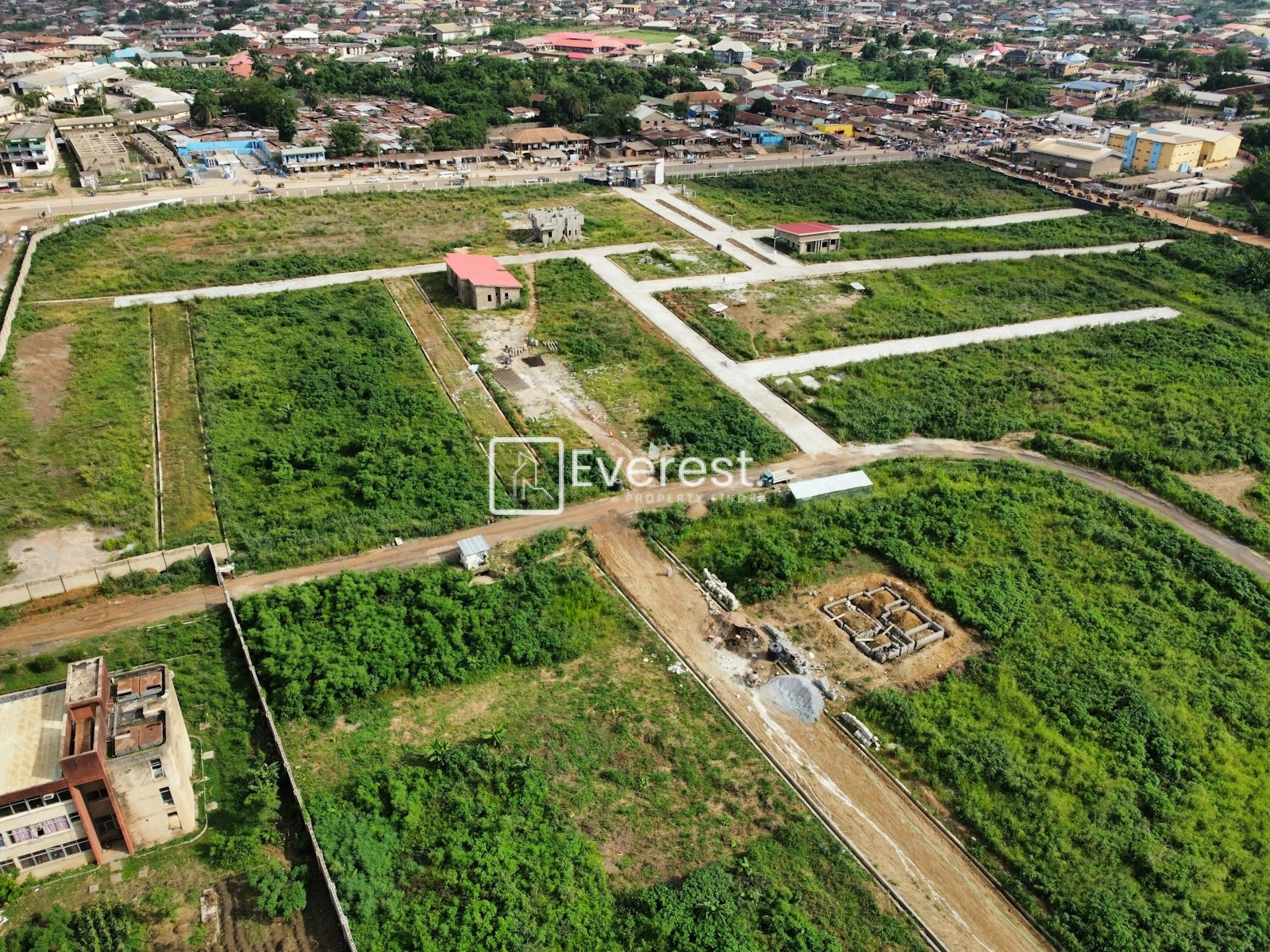



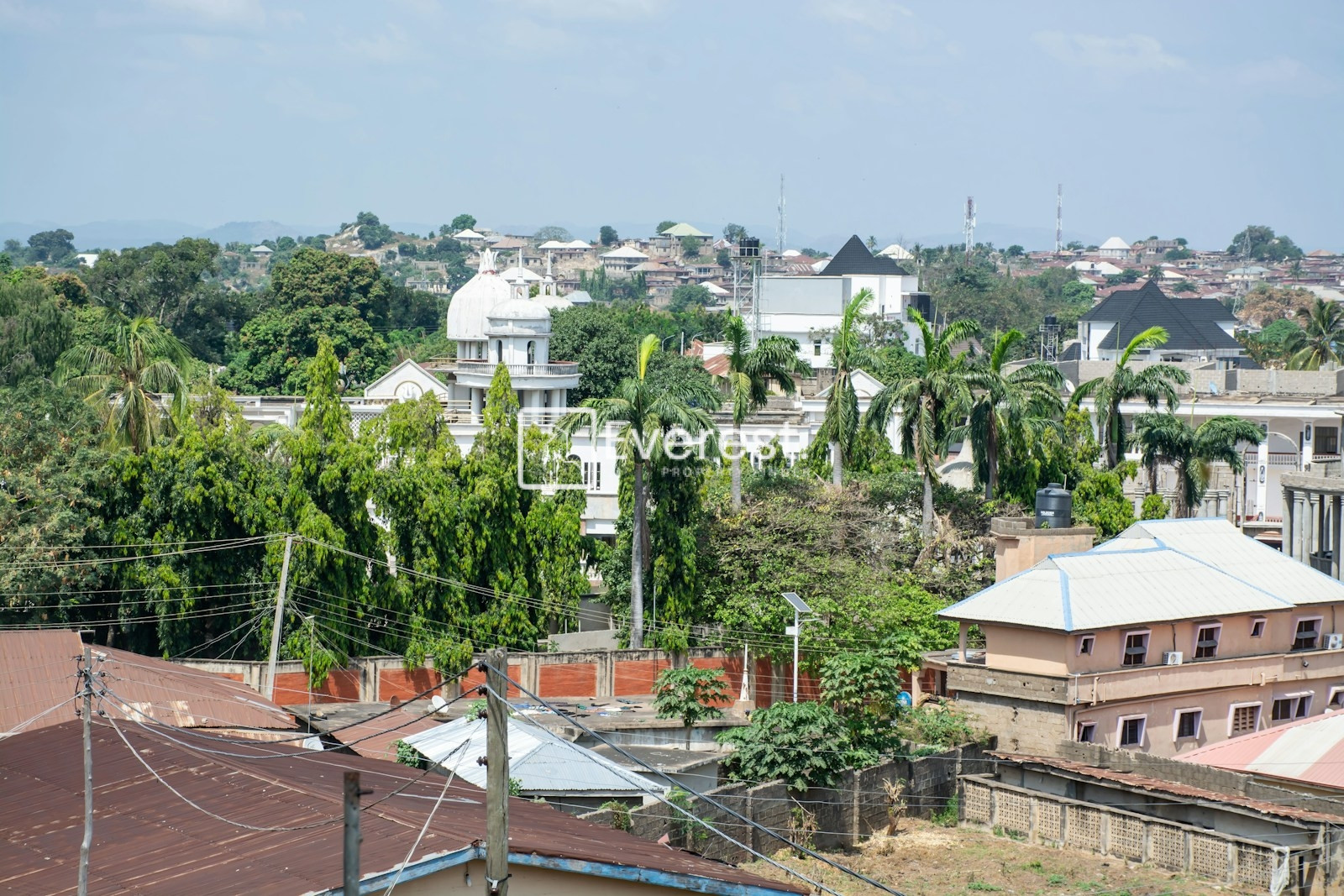


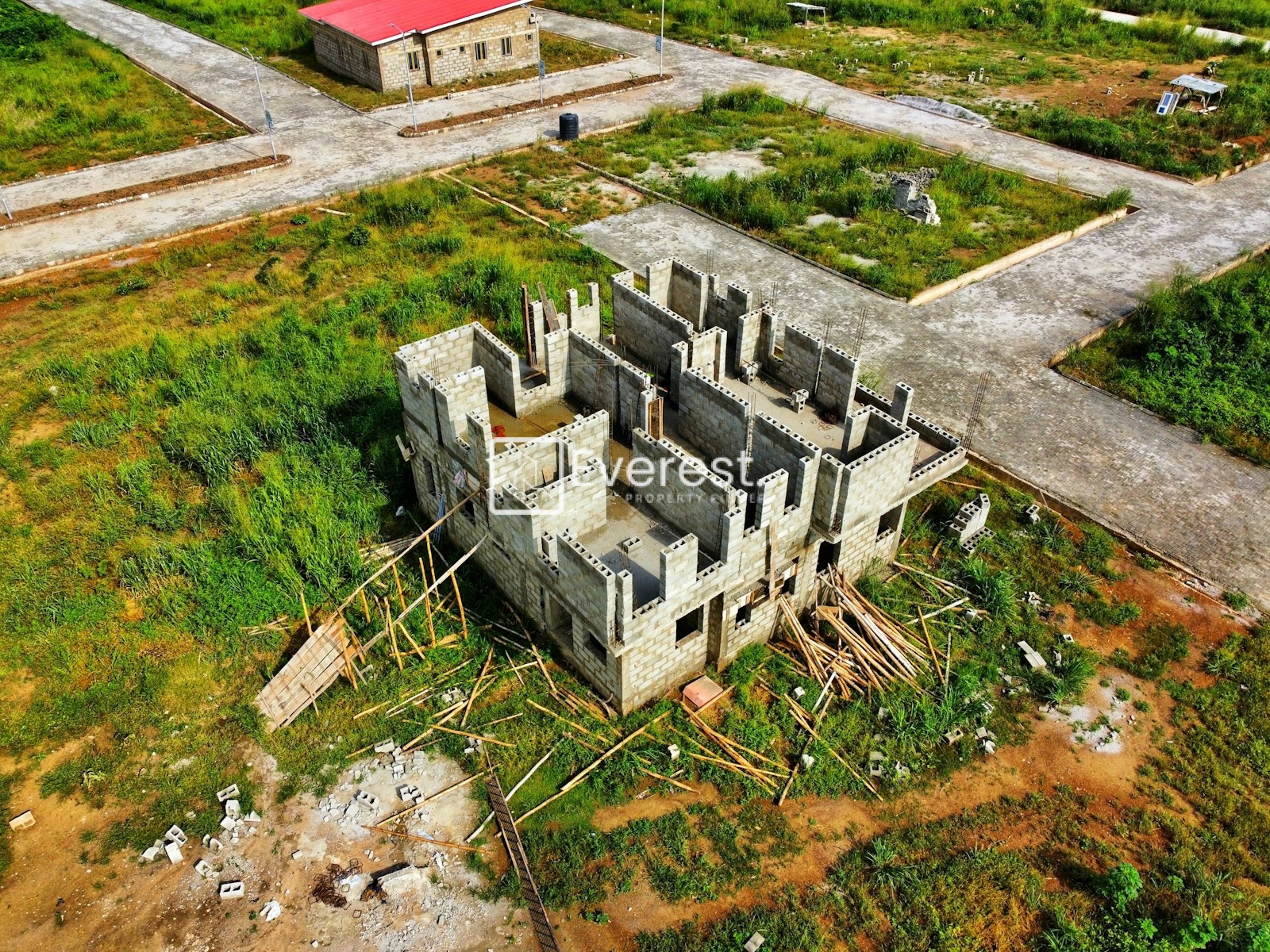



Join The Discussion