

The best property deals rarely remain available for long. Across Africa’s fast-growing real estate markets—from Lagos, Accra, Nairobi, Kigali, Cape Town, Dar es Salaam, Kampala, Lusaka, Abidjan, Gaborone, Windhoek, and Monrovia—high-quality properties in strategic locations often attract serious buyers almost immediately. When a property is well-priced, legally sound, well-marketed, and positioned in an area with strong demand, it can move from “available” to “sold” faster than many buyers expect. In this article we will discuss Why the Best Property Deals Do Not Last Long
Experienced investors understand that real estate rewards preparation. They do not begin research only after seeing a good opportunity. Instead, they study market trends, compare prices, understand documentation, arrange financing, and build relationships with estate agents, developers, lawyers, valuers, and property platforms. By the time the right investment property appears, they are ready to act with confidence.
Timing is one of the most important factors in successful property investment Africa. A buyer who delays by a few days may lose a property to another investor who already understands the value. In markets where infrastructure development, population growth, urban migration, and diaspora property investment are increasing demand, the difference between securing a strong deal and missing it often comes down to readiness, research, and decisive action.
Table of Contents
Why Great Property Deals Disappear So Quickly
What Makes a Property a “Great Deal”?
A great property deal is not simply the cheapest option on the market. It is a property that offers strong value relative to its location, condition, legal status, growth potential, and expected return. For example, a serviced plot in Ibeju-Lekki, Nigeria, near major infrastructure projects may be more valuable than a cheaper plot in a remote area with no road access or development plan. Similarly, an apartment in East Legon, Ghana, may attract stronger rental demand than a lower-priced unit in a less connected suburb.
The best property deals often share several characteristics: competitive pricing, prime location, complete documentation, good road access, quality construction, high rental demand, future development prospects, and realistic potential for property appreciation. In Kenya, apartments near Nairobi’s business districts or transport corridors may lease quickly to professionals. In Rwanda, properties near Kigali’s planned urban expansion zones may benefit from orderly development and strong investor confidence.
Cheap does not always mean good value. A low-priced property with unclear title, poor construction, weak demand, or no access road can become expensive over time. Serious property buyers look beyond price and ask deeper questions: Is the title valid? Is the area growing? Can the property generate income? Is there demand from tenants or future buyers? Is the developer credible? A true great deal balances affordability with security, usability, and future growth.
Why Great Properties Sell Quickly
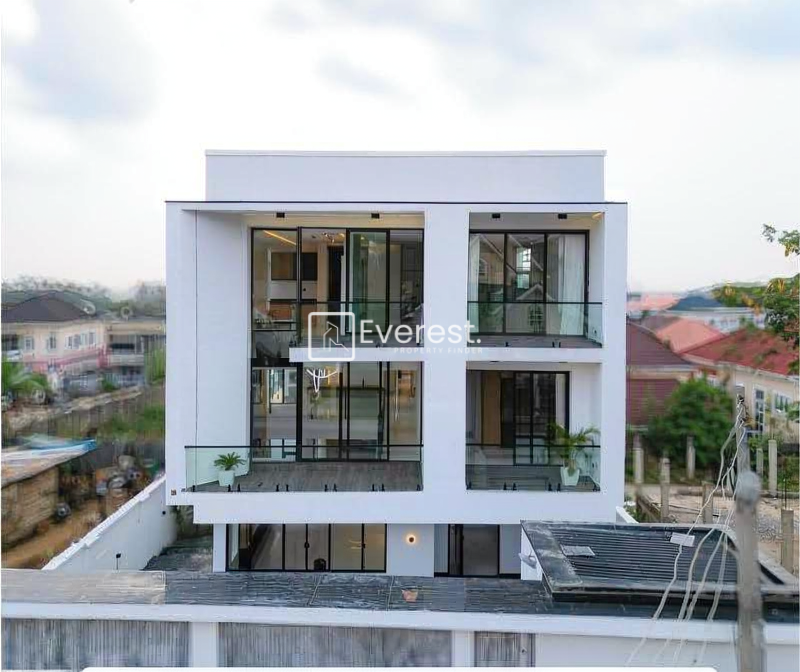
Great properties sell quickly because demand often exceeds supply. In major African cities, land and quality housing in prime locations are limited. As more people move to urban centres for work, education, business, and lifestyle opportunities, demand increases for residential, commercial, and mixed-use properties. This is why properties in places such as Lekki, Ikoyi, Victoria Island, Airport Residential Area, Kilimani, Sandton, Kigali Heights, Kololo, Oyster Bay, and Lusaka’s Roma or Kabulonga areas can attract rapid interest.
Attractive pricing also accelerates sales. When a property is priced below comparable listings but has strong documentation and good presentation, buyers immediately recognize the opportunity. For instance, a well-finished two-bedroom apartment in Nairobi’s Kilimani area priced slightly below similar units may receive multiple enquiries within days. In South Africa, a rental-ready apartment in Cape Town or Johannesburg with strong yield potential may attract both local investors and foreign buyers quickly.
Professional marketing further increases speed. High-quality photos, detailed descriptions, virtual tours, social media campaigns, search engine optimization, and visibility on a property listing platform can expose one property to thousands of potential buyers. In today’s African property market, visibility creates demand. The more qualified buyers see a property, the faster serious offers can emerge.
The Psychology of Serious Property Buyers
Serious property buyers understand opportunity recognition. They know that a good deal may not look perfect to everyone, but it must make sense based on location, price, documentation, and future potential. When they see a property with strong fundamentals, they evaluate quickly because they have already done the groundwork. Their speed is not reckless; it is informed.
Fear of missing out, or FOMO, also plays a role. Buyers who have previously lost good opportunities often become more decisive. A Nigerian investor abroad who once delayed on a Lekki land deal may act faster the next time a well-documented plot becomes available. A Ghanaian buyer in the United Kingdom who watched East Legon prices rise may be quicker to commit when another credible opportunity appears.
However, serious buyers do not rely only on emotion. They combine confidence with risk evaluation. They ask for title documents, survey plans, building approvals, inspection reports, rental projections, and comparable sales. Prepared buyers move faster because they already know what questions to ask, who to consult, and how to verify information before committing funds.
Why Timing Is Everything in Real Estate
Real estate markets move in cycles. Prices may rise during periods of strong economic growth, infrastructure expansion, lower interest rates, improved investor confidence, or high migration into cities. In countries such as Kenya, Ghana, Nigeria, Rwanda, Tanzania, and Côte d’Ivoire, infrastructure development can quickly change the value of nearby land and housing. A new road, airport expansion, industrial zone, university, seaport, or business district can transform demand.
Interest rates and economic conditions also affect buyer behaviour. When financing is affordable, more buyers enter the market, increasing competition. When inflation rises, some investors move money into real estate as a store of value. In Zambia, Botswana, Namibia, and Uganda, buyers may choose property to protect wealth, generate rental income, or diversify investments away from cash holdings.
Government policies can also influence timing. Changes in land administration, mortgage incentives, tax policies, urban planning, or foreign ownership rules can affect market activity. Buyers who monitor property market trends are better positioned to act before prices adjust. In real estate investment Africa, waiting too long can mean paying more for the same property later.
Common Reasons Buyers Miss Great Opportunities
Many buyers miss great property opportunities because they delay decisions. They see a good listing, ask for details, but postpone inspection, document review, or financing discussions. By the time they are ready, another buyer has paid a deposit. This happens frequently in competitive locations such as Accra, Lagos, Nairobi, Kigali, Cape Town, and Dar es Salaam.
Poor financial preparation is another major reason. Some buyers begin searching without knowing their budget, mortgage eligibility, available cash, or payment timeline. A buyer interested in an apartment in Kampala or Lusaka may lose it because they need several weeks to organize funds while another buyer already has financing ready. Sellers often prefer buyers who can move quickly and demonstrate seriousness.
Unrealistic expectations also cause missed opportunities. Some buyers wait for excessive price drops in areas where demand is strong. Others ignore professional advice, underestimate documentation timelines, or become stuck in indecision. While negotiation is important, buyers must understand that the best property deals are rarely heavily discounted for long in high-demand markets.
Why Professional Property Marketing Speeds Up Sales
Professional property marketing Africa has changed how quickly properties move. A well-presented listing with quality photography, clear pricing, accurate location details, floor plans, videos, and virtual tours builds buyer confidence. Buyers are more likely to enquire when they can understand the property before visiting physically.
Digital marketing increases exposure. Social media promotion, Google visibility, email alerts, WhatsApp sharing, YouTube walkthroughs, and property marketplaces can place one property in front of local buyers, diaspora investors, estate agents in Africa, and institutional investors. A property in Kigali can be viewed by a Rwandan professional in Canada; an apartment in Accra can be considered by a Ghanaian family in Germany; a development in Lagos can attract Nigerians in the United States.
Visibility creates urgency. When many buyers see the same property, competition increases. Serious buyers understand this and move faster. Properties with poor marketing may remain unnoticed, while professionally listed properties often attract faster enquiries, inspections, offers, and closings.
Comparison Table: Fast-Selling Properties vs Slow-Moving Properties
| Feature | Properties That Sell Quickly | Properties That Stay Longer on Market |
|---|---|---|
| Pricing | Competitive and market-based | Overpriced or unclear |
| Location | Prime, accessible, high-demand | Remote or poorly connected |
| Documentation | Complete and verifiable | Missing or disputed documents |
| Marketing | Professional photos, videos, detailed listing | Poor images and limited information |
| Construction Quality | Well-built and maintained | Poor finishing or structural concerns |
| Rental Demand | Strong tenant interest | Weak rental prospects |
| Accessibility | Good roads and transport links | Difficult access |
| Developer/Agent Reputation | Trusted and responsive | Unknown or unreliable |
| Investment Potential | Clear appreciation or income prospects | Uncertain growth outlook |
| Buyer Confidence | High | Low |
How Prepared Buyers Secure the Best Opportunities
What Buyers Should Do Before the Right Property Appears
Prepared buyers define their investment goals before searching. Are they buying for personal residence, rental income, capital appreciation, retirement, business use, land banking, or diaspora property investment? A buyer seeking rental income in Nairobi may focus on apartments near business districts, while a buyer seeking long-term appreciation in Nigeria may consider developing corridors such as Epe, Ibeju-Lekki, or Abuja’s expansion areas.
Research is equally important. Buyers should study target locations, compare prices, understand rental demand, review infrastructure plans, and observe market activity. In Ghana, this may mean comparing Cantonments, East Legon, Tema, and Kumasi. In Tanzania, it may involve evaluating Dar es Salaam, Arusha, Dodoma, and Zanzibar. In Côte d’Ivoire, investors may compare Abidjan’s Cocody, Marcory, and developing suburbs.
Financial readiness is essential. Buyers should know their budget, available deposit, mortgage options, exchange rate exposure, legal fees, agency fees, taxes, and maintenance costs. They should also consult professionals, including lawyers, surveyors, valuers, architects, and trusted estate agents. Preparation leads to better decisions because buyers can separate real opportunities from risky offers.
How Estate Agents Can Sell Properties Faster
Estate agents in Africa play a major role in how quickly properties sell. Accurate pricing is one of their most important responsibilities. If a property is overpriced, it may sit on the market for months. If it is priced correctly based on comparable sales, location, condition, and demand, it can attract serious buyers quickly.
Professional presentation also matters. Agents should use high-quality images, complete descriptions, verified property details, clear payment terms, and prompt responses. Buyers lose confidence when agents provide vague answers, poor photos, or inconsistent information. In competitive markets, speed of communication can determine whether a buyer proceeds or moves to another listing.
Good agents create urgency without misleading buyers. They explain market demand honestly, provide evidence of comparable prices, disclose relevant risks, and help buyers make informed decisions. Trust building is especially important when dealing with diaspora investors, financial institutions, developers, landlords, and agencies handling multiple property opportunities.
Why Diaspora Investors Need to Act Strategically
Diaspora property investment is a major force in African real estate. Nigerians abroad, Ghanaians abroad, Kenyans abroad, South Africans abroad, Rwandans abroad, Ugandans abroad, and other African diaspora communities often buy property for family, retirement, rental income, or long-term wealth building. However, buying remotely requires structure and discipline.
Remote buyers should use trusted representatives, verified estate agents, reputable developers, legal professionals, and digital inspection tools. A Nigerian in Canada buying in Lagos should not rely only on verbal assurances. A Ghanaian in the United States investing in Accra should verify title documents. A Kenyan in the United Kingdom buying in Nairobi should request videos, location pins, legal review, and physical inspection by a trusted party.
Diaspora buyers also need to monitor market trends consistently. Time zone differences, currency transfers, and document verification can slow decisions. By preparing ahead, diaspora investors can act quickly when a legitimate opportunity appears. The goal is not to rush blindly but to reduce unnecessary delays.
The Role of Technology in Finding Great Property Deals
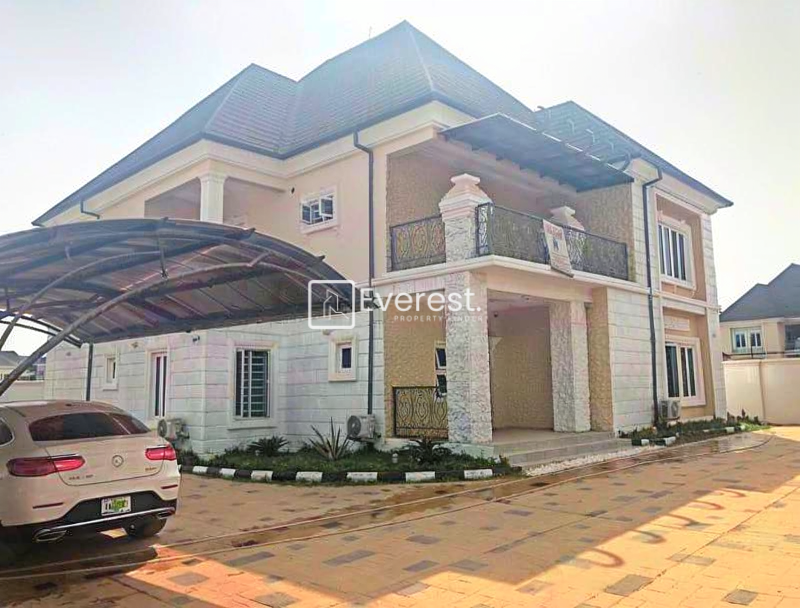
Real estate technology is changing how people buy property in Africa. Property listing platforms, mobile apps, digital alerts, virtual tours, online maps, artificial intelligence, and digital marketing help buyers discover opportunities faster than traditional methods. Instead of waiting for word-of-mouth, buyers can now compare properties across cities and countries.
Artificial intelligence can help analyze search behaviour, recommend listings, identify market patterns, and improve property visibility. Buyers can set alerts for specific locations, price ranges, property types, and investment goals. For example, an investor interested in apartments in Kigali, townhouses in Accra, or land in Lusaka can receive updates when relevant properties are listed.
Virtual tours and property videos are especially useful for international buyers. They reduce the need for immediate travel and help buyers shortlist properties more efficiently. Technology does not replace due diligence, but it makes the discovery and comparison process faster, smarter, and more transparent.
Real-Life Case Studies and Market Scenarios
Consider a buyer in Lagos who had already researched Ibeju-Lekki and understood the impact of road expansion, the Lekki Deep Sea Port, and industrial development. When a well-documented plot became available below nearby market prices, the buyer quickly verified the title and paid a deposit. Within six months, similar plots in the area were listed at higher prices.
In Accra, a Ghanaian professional abroad delayed purchasing an apartment in a high-demand rental area because they wanted to “think about it for a few more weeks.” The unit sold to another buyer who had already arranged financing. When the first buyer returned to the market, comparable apartments were more expensive and rental yields had tightened.
In Kigali, a developer launched a small residential project with modern units, clear payment plans, and strong marketing. Because the location was accessible and the documentation was complete, early investors purchased quickly. Those who bought during the launch phase benefited from lower introductory pricing, while later buyers had fewer options and higher prices. The lesson is clear: strong properties with credible fundamentals rarely wait.
How Everest Property Finder Helps Buyers Discover Great Deals
Everest Property Finder helps buyers discover professionally listed properties across Africa by making property search more organized, visible, and accessible. Instead of relying only on informal referrals, buyers can explore detailed listings, compare multiple opportunities, and connect with estate agents, developers, and property professionals.
For property buyers, investors, landlords, estate agents, real estate agencies, financial institutions, and property developers Africa, visibility and information are critical. Everest Property Finder supports better decision-making by showcasing properties with quality photos, useful descriptions, locations, and timely updates. This helps users identify opportunities that match their goals before they disappear.
For diaspora investors, platforms like Everest Property Finder can reduce distance-related challenges. A buyer in London, Toronto, Dubai, Johannesburg, New York, or Berlin can explore African property market opportunities, compare locations, and begin conversations with professionals. The platform does not replace legal due diligence, but it helps buyers discover and evaluate opportunities faster.
You may be interested to read: Certificate of Occupancy and Its Real Estate Value
Preparing to Buy Your Next Property: Step-by-Step Action Plan
1. Set Investment Goals
Decide whether you are buying for residence, rental income, resale profit, land banking, retirement, commercial use, or family security. Clear goals help you avoid distractions.
2. Research Target Markets
Study locations carefully. Compare Lagos and Abuja, Accra and Kumasi, Nairobi and Mombasa, Kigali and secondary towns, Cape Town and Johannesburg, or Dar es Salaam and Dodoma depending on your strategy.
3. Prepare Financing
Know your budget, deposit, mortgage eligibility, payment timeline, legal costs, taxes, and currency transfer requirements. A financially prepared buyer can act faster.
4. Verify Legal Documents
Check title documents, survey plans, building approvals, land use, ownership history, encumbrances, and government records. Always involve qualified legal professionals.
5. Monitor Listings Regularly
The best property deals may appear and disappear quickly. Use property alerts, newsletters, agent updates, and platforms such as Everest Property Finder.
6. Consult Professionals
Work with estate agents, lawyers, surveyors, valuers, mortgage advisers, architects, and property managers where necessary.
7. Conduct Due Diligence
Do not rely only on photos or promises. Confirm ownership, inspect the location, review documents, and compare market prices.
8. Inspect the Property
Visit physically where possible. If buying remotely, request live video tours, professional inspections, drone footage, and independent representatives.
9. Negotiate Effectively
Negotiate based on evidence, not emotion. Understand comparable prices and seller motivation.
10. Complete the Purchase Confidently
Once due diligence is satisfactory, complete payment according to agreed terms and obtain all necessary documents.
The Future of Property Buying in Africa
The future of property buying in Africa will be shaped by PropTech, artificial intelligence, virtual inspections, digital transactions, smart cities, and data-driven investment decisions. Buyers will increasingly expect transparency, speed, accurate listings, and digital communication from estate agents and developers.
Smart cities and planned developments are already influencing property demand in countries such as Rwanda, Kenya, Nigeria, Ghana, South Africa, Tanzania, and Côte d’Ivoire. Infrastructure-led growth will continue to create new property opportunities, especially in areas connected to transport, technology hubs, industrial zones, universities, ports, and business districts.
Cross-border property investment will also grow. Africans in the diaspora and investors within the continent will increasingly buy property beyond their home countries. As real estate technology improves, buyers will compare markets more easily, monitor property appreciation, and make faster investment decisions.
Frequently Asked Questions
1. Why do the best property deals sell quickly?
They sell quickly because they combine strong location, fair pricing, good documentation, demand, and investment potential.
2. Is a cheap property always a good deal?
No. A cheap property may have legal, structural, access, or demand problems. Good value is more important than low price.
3. How can I identify a strong investment property?
Look for location quality, title security, rental demand, future growth, accessibility, and fair pricing.
4. What is property appreciation?
Property appreciation is the increase in property value over time due to demand, development, inflation, or improved infrastructure.
5. Why is timing important in real estate?
Timing affects purchase price, competition, rental income, and long-term returns.
6. How can buyers prepare before searching?
They should define goals, research markets, arrange financing, understand documents, and consult professionals.
7. What documents should I verify before buying property?
Common documents include title deeds, certificates of occupancy, survey plans, building approvals, allocation letters, and sale agreements.
8. Should diaspora investors buy property remotely?
Yes, but only with trusted representatives, verified professionals, legal review, and proper inspections.
9. How does technology help property buyers?
Technology helps buyers find listings, compare prices, receive alerts, view virtual tours, and communicate faster.
10. What role do estate agents play?
Estate agents help market properties, connect buyers and sellers, provide market insights, and support transactions.
11. Why do some properties stay on the market too long?
They may be overpriced, poorly marketed, badly located, undocumented, or unattractive to buyers.
12. How can I avoid missing good property opportunities?
Prepare financing, monitor listings, verify documents quickly, and make informed decisions without unnecessary delay.
13. Are African real estate markets good for investment?
Many African markets offer strong opportunities, but success depends on location, due diligence, and strategy.
14. What is the best country to buy property in Africa?
There is no single best country. Nigeria, Ghana, Kenya, Rwanda, South Africa, Tanzania, Uganda, Zambia, Côte d’Ivoire, Botswana, Namibia, and Liberia all offer different opportunities.
15. How do I know if a location has growth potential?
Check infrastructure plans, population growth, business activity, rental demand, government projects, and nearby developments.
16. Can property marketing affect sales speed?
Yes. Professional photography, videos, SEO, social media, and listing platforms increase visibility and buyer interest.
17. What should estate agents do to sell faster?
They should price accurately, communicate quickly, use quality marketing, verify details, and build trust.
18. Is rental demand important when buying property?
Yes. Strong rental demand improves cash flow and makes the property easier to resell.
19. What is due diligence in property buying?
Due diligence is the process of verifying ownership, documents, property condition, location, pricing, and legal status.
20. Should I wait for property prices to drop?
Not always. In high-demand areas, waiting may result in higher prices or lost opportunities.
21. How can I compare property prices?
Review similar listings, recent sales, rental yields, location quality, and professional valuation reports.
22. What is a property listing platform?
It is an online marketplace where buyers can discover, compare, and enquire about properties.
23. How does Everest Property Finder help buyers?
It helps buyers discover listed properties, compare opportunities, connect with agents and developers, and monitor African real estate markets.
24. What should I do before paying a deposit?
Verify documents, inspect the property, confirm ownership, review agreements, and consult a lawyer.
25. How fast should I act when I find a good deal?
Act promptly but not blindly. Move quickly with financing, verification, inspection, and professional advice.
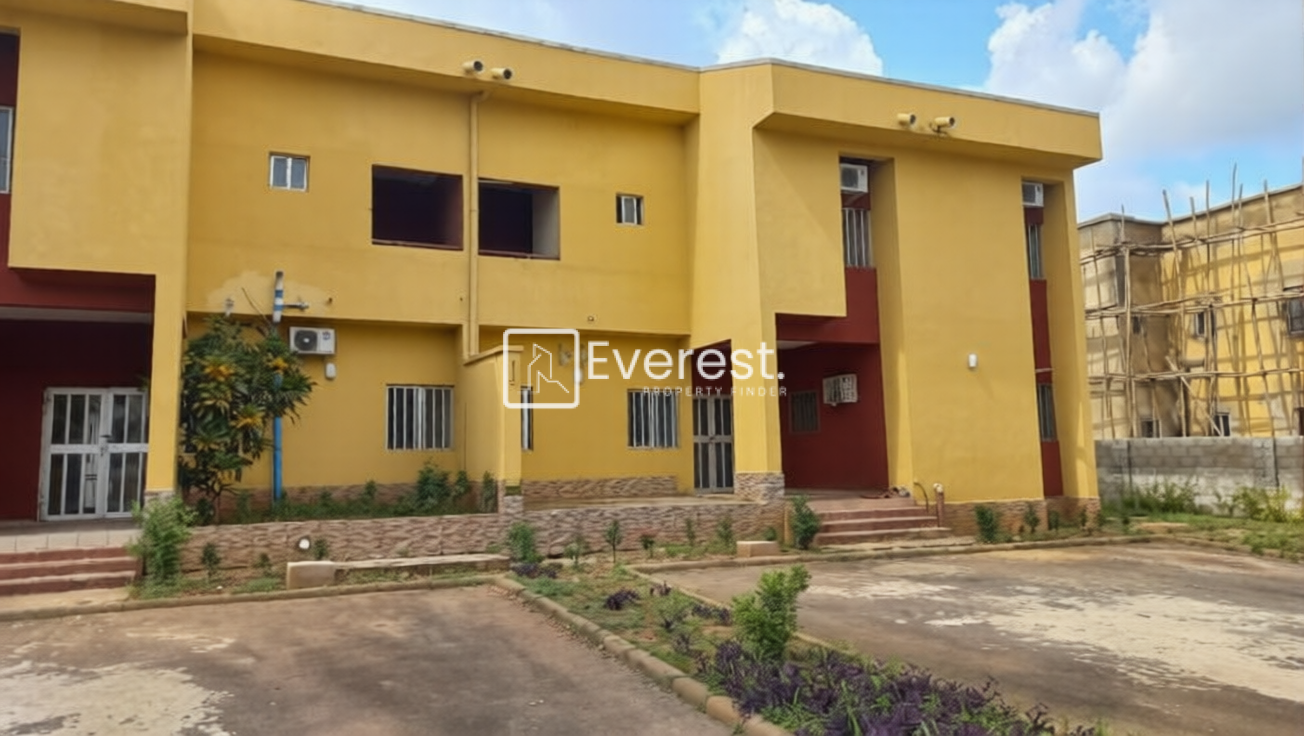
The best property opportunities do not stay on the market for long because serious buyers recognize value quickly. A well-priced property in a strong location with complete documentation, rental demand, quality construction, and future appreciation potential will naturally attract attention. In Africa’s growing real estate markets, demand for good property is rising among local buyers, investors, developers, landlords, financial institutions, and diaspora communities.
Success in real estate comes from combining research, due diligence, financial readiness, and timely decision-making. Buyers who prepare before the right property appears are better positioned to act confidently when opportunity arrives. They understand the market, know their budget, verify documents quickly, and work with trusted professionals.
If you are looking to buy property in Africa, invest in African real estate, or discover high-quality property opportunities before they disappear, start your search with Everest Property Finder. Explore listings, compare options, connect with estate agents and developers, and take the next step toward securing your next investment property before it is gone.



Join The Discussion