
Buying property in Nigeria can be a rewarding investment, but it also comes with risks if the documents are not properly verified. Many land disputes, double sales, and fraudulent transactions happen because buyers rely only on verbal assurances or incomplete paperwork. Before paying for land or a house, it is important to confirm that the seller has a valid title, the property is free from government acquisition, and there are no hidden claims or encumbrances. In this post, we will discuss How to Verify Property Documents in Nigeria
Table of Contents
Key Property Documents to Request in Nigeria
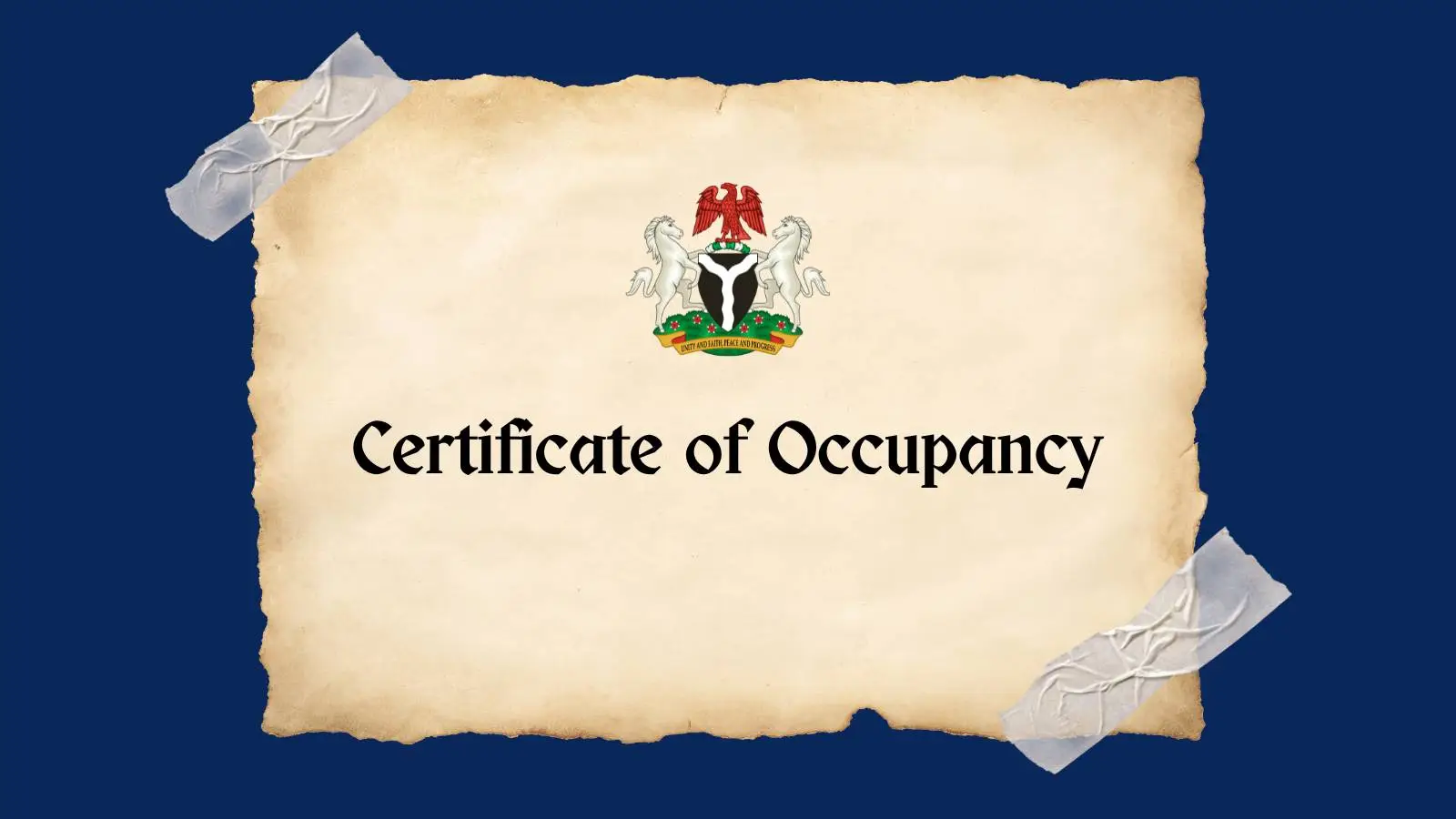
The first step in verifying property documents in Nigeria is knowing what to ask for. One of the most important documents is the Certificate of Occupancy (C of O), which shows that the government has granted rights over the land to the holder for a specified period, usually 99 years. If the property does not have a C of O, you may request other title documents such as a Deed of Assignment, Governor’s Consent, Deed of Conveyance, or Registered Survey Plan, depending on the history of the property.
You should also ask for the Survey Plan, which identifies the exact location, size, and boundaries of the property. This document is crucial because it helps determine whether the land falls under government acquisition, committed land, or an area designated for public use. A valid survey plan should contain details such as the surveyor’s name, registration number, beacon numbers, land coordinates, and the seal of a registered surveyor.
Other supporting documents may include the seller’s purchase receipt, building approval, tax clearance certificates, probate or letters of administration where the property belongs to an estate, and family consent where family land is involved. If the property is owned by a company, request the company’s incorporation documents, board resolution approving the sale, and evidence that the person signing has authority to act. These documents help establish a clear chain of ownership and reduce the risk of buying from someone who lacks the legal right to sell.
How to Confirm Ownership at the Land Registry
After collecting the documents, the next step is to conduct a search at the appropriate Land Registry in the state where the property is located. For example, property in Lagos should be verified at the Lagos State Land Registry, while property in Abuja should be checked through the relevant land administration authority. A land registry search can confirm whether the title document is genuine, whether the seller is the registered owner, and whether the property has any mortgage, court judgment, caveat, or other encumbrance attached to it.
To conduct the search, you will usually need copies of the title documents, survey plan, and details of the property. It is advisable to engage a qualified property lawyer or trusted land consultant to handle this process because land records can be technical. The lawyer can trace the root of title, confirm the registration details, and check whether the seller’s name matches the official records. If the property has changed hands several times, each transfer should be reviewed to ensure there is no missing link in the ownership history.
In addition to the land registry search, buyers should verify the survey coordinates at the Surveyor-General’s office to confirm the land status. This step helps reveal whether the property is under government acquisition, excision, committed use, or free from acquisition. You should also physically inspect the property, speak with neighbours where appropriate, and confirm that no one is in possession or laying claim to the land. Proper verification combines document review, government searches, and on-site investigation.
Verifying property documents in Nigeria is not a step to rush or skip. Before making payment, ensure you request the right documents, confirm ownership at the land registry, verify the survey, and involve qualified professionals such as a property lawyer and registered surveyor. A careful verification process may take time, but it can protect you from fraud, litigation, and costly mistakes when buying property in Nigeria.


Join The Discussion