

Introduction
Property investment has long been regarded as one of the most reliable ways to build wealth. Across Africa, thousands of investors purchase residential homes, commercial buildings, apartments, land, and mixed-use developments every year with the expectation of earning rental income, benefiting from capital appreciation, or securing long-term financial stability. In this article we will discuss the 7 Warning Signs of a Bad Property Investment
Table of Contents
From the rapidly expanding suburbs of Lagos and Abuja in Nigeria to the growing property markets of Accra, Nairobi, Johannesburg, Kigali, Kampala, Dar es Salaam, Lusaka, Monrovia, and Abidjan, real estate continues to attract both local and international investors seeking profitable opportunities.
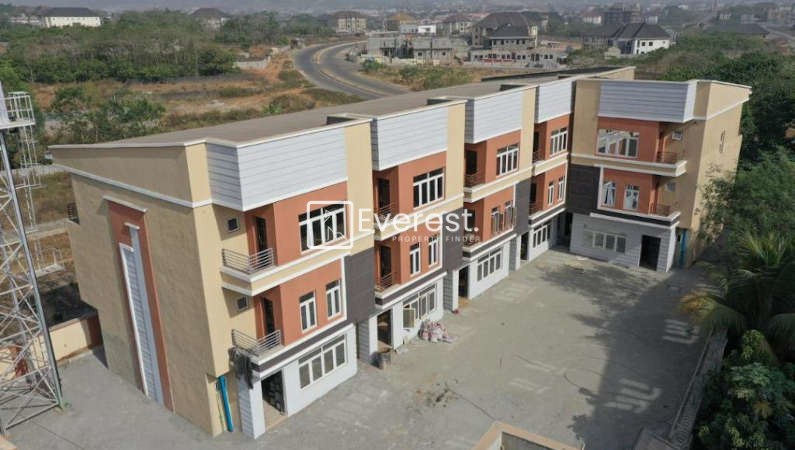
However, not every property represents a good investment.
A beautiful building, an attractive asking price, or a persuasive sales presentation does not automatically guarantee long-term value or financial success. Some properties that appear to be excellent opportunities can quickly become expensive liabilities due to legal complications, poor locations, hidden structural defects, weak rental demand, or fraudulent transactions and all these combines part of the 7 Warning Signs of a Bad Property Investment
One of the biggest differences between experienced investors and beginners is the way they evaluate opportunities.
New investors often become emotionally attached to a property’s appearance. They focus on attractive finishes, modern architecture, luxury interiors, or impressive marketing materials. Experienced investors, on the other hand, spend far more time evaluating risk than admiring aesthetics. They ask difficult questions, verify documentation, inspect the property thoroughly, study the surrounding neighborhood, and investigate the long-term potential of the investment before committing their money.
Successful property investing is not about finding the most beautiful building. It is about identifying assets that have the greatest potential to generate sustainable returns while minimizing unnecessary risks.
This is why understanding property investment red flags is essential.
Recognizing warning signs before signing an agreement can save investors from significant financial losses, legal disputes, lengthy court cases, costly repairs, and years of frustration.
In this comprehensive guide, we explore seven major warning signs that every property investor should recognize before purchasing any property in Africa. Whether you are buying your first home, investing in rental property, acquiring land for future development, or expanding an existing real estate portfolio, these insights will help you make smarter and more informed investment decisions.
What Makes a Property a Good Investment?
Before identifying warning signs, it is important to understand what distinguishes a quality investment from a poor one.
Many investors mistakenly judge a property based solely on its appearance. While aesthetics can influence buyer interest, experienced investors understand that successful real estate investments are built on much stronger foundations.
A Strong Location
The location of a property remains the single most important factor influencing its long-term performance.
Properties located near major roads, business districts, schools, hospitals, shopping centres, transport networks, and employment hubs generally experience stronger demand and better appreciation than similar properties in isolated locations.
A modest apartment in a thriving neighbourhood can outperform a luxury home located in an area with poor accessibility and limited economic activity.
Clear Ownership Documentation
A profitable investment begins with legal certainty.
Every property should have verifiable ownership records supported by appropriate documentation. Depending on the country, these may include Certificates of Occupancy, registered title deeds, leasehold certificates, deeds of assignment, survey plans, registered conveyances, or other legally recognised documents.
7 Warning Signs of a Bad Property Investment comes in many way but Investors should never assume documentation is valid without independent verification.
High Rental Demand
Rental income provides consistent cash flow while supporting long-term investment performance.
Good investment properties are usually located in areas where demand remains strong among families, students, professionals, expatriates, or businesses.
Before purchasing any property, investors should ask:
- Who is likely to rent this property?
- What is the average occupancy rate in this area?
- How long do vacant properties typically remain on the market?
Understanding rental demand helps reduce vacancy risk.
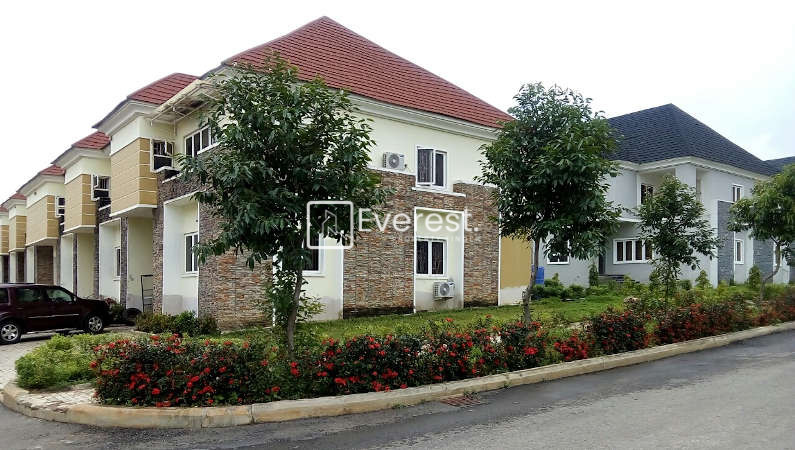
Quality Infrastructure
Infrastructure directly influences both property values and market demand.
Investors should evaluate the availability and quality of:
- Road networks
- Electricity
- Water supply
- Drainage systems
- Internet connectivity
- Public transport
- Waste management
Government infrastructure projects can significantly increase property values over time.
Appreciation Potential
One of the primary reasons people invest in real estate is the expectation that the property will increase in value.
Investors should study factors such as:
- Population growth
- Urban expansion
- Planned infrastructure
- Commercial development
- Government investment
- Economic activity
Properties located within growth corridors often experience stronger appreciation than those in stagnant markets.
Strong Market Demand
Demand drives property values.
Areas experiencing increasing residential or commercial demand generally provide greater opportunities for capital growth and rental income.
Market demand can be influenced by:
- Employment opportunities
- Educational institutions
- Tourism
- Industrial development
- Population growth
- Transportation improvements
Good Accessibility
Accessibility affects how easily people can reach a property.
Investors should consider travel times to:
- Major highways
- Airports
- Business districts
- Schools
- Hospitals
- Shopping centres
Conveniently located properties generally remain attractive to both buyers and tenants.
Legal Compliance
Investors should confirm that every property complies with relevant planning regulations and building approvals.
Illegal developments may later face demolition orders, penalties, or restrictions that significantly reduce investment value.
Evaluating the Investment, Not Just the Building
Perhaps the most important lesson experienced investors understand is that they are not simply purchasing a building—they are acquiring an investment.
This means evaluating questions such as:
- Will this property increase in value?
- Will tenants want to live or work here?
- Is there sufficient infrastructure?
- Are legal documents complete?
- Does the surrounding neighbourhood have growth potential?
- Can I easily sell this property in the future?
These questions often reveal far more than attractive architecture ever will.
Warning Sign #1 — The Price Is Too Good to Be True
One of the oldest principles in investing remains remarkably accurate:
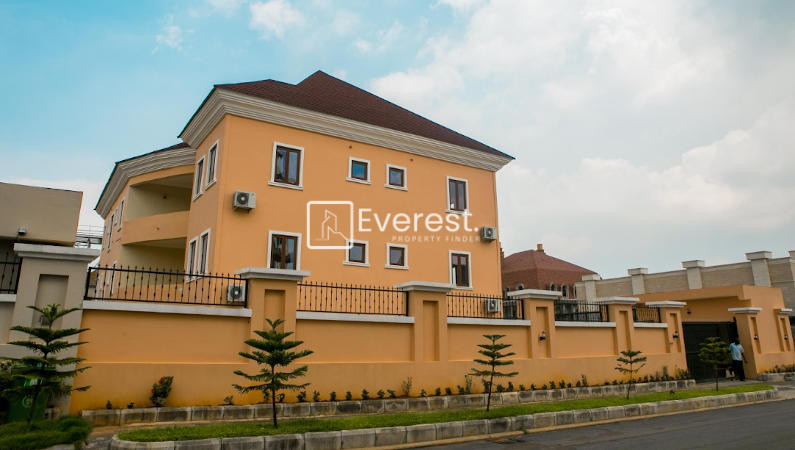
If a deal appears too good to be true, it usually deserves much closer investigation.
Every investor appreciates finding value, but unusually low prices should always trigger additional questions rather than immediate excitement.
Unrealistically Low Prices
Suppose comparable three-bedroom houses in a neighbourhood typically sell for $180,000, yet one seller offers a similar property for $90,000.
Rather than assuming you have discovered an incredible bargain, you should immediately investigate why the price differs so dramatically.
Possible explanations may include:
- Legal disputes
- Outstanding debts
- Structural defects
- Government acquisition notices
- Ownership conflicts
- Fraudulent listings
- Urgent financial distress
While some distressed sales are genuine opportunities, others conceal significant risks.
Hidden Legal Disputes
A discounted property may be involved in:
- Family inheritance disputes
- Court proceedings
- Multiple ownership claims
- Unresolved title issues
Purchasing such properties without proper legal review can expose investors to years of litigation.
Fake Listings
Online property fraud has increased in many markets.
Scammers often advertise attractive properties at unrealistically low prices to encourage quick deposits before buyers conduct proper verification.
Common warning signs include:
- Extremely attractive pricing
- Pressure to pay immediately
- Refusal to arrange inspections
- Limited documentation
- Inconsistent information
- Requests for payment through unofficial channels
Ownership Conflicts
In some regions, multiple individuals may claim ownership of the same parcel of land or building.
Without proper verification through government records and qualified legal professionals, buyers may unknowingly purchase disputed property.
Comparing Market Prices
One of the simplest ways to identify unrealistic pricing is through market comparison.
Before making any purchase, investors should compare similar properties based on:
- Location
- Property size
- Bedrooms
- Amenities
- Land size
- Property condition
- Market demand
Understanding average market prices helps identify both genuine opportunities and potentially dangerous bargains.
Real-World Example
Imagine an investor living in Canada who wishes to purchase land in Abuja.
The investor discovers two similar plots in the same district.
The first is priced in line with prevailing market values and includes complete documentation, survey records, and verified ownership.
The second is offered at less than half the average market price, with the seller insisting that payment must be made within forty-eight hours because “another buyer is waiting.”
While the second offer appears attractive, it raises several immediate concerns:
- Why is the price so low?
- Why is there intense pressure to pay quickly?
- Has ownership been verified?
- Has the land been inspected?
- Are government records available?
An experienced investor would pause, conduct due diligence, and seek independent legal advice before proceeding.
In many cases, exercising patience is the difference between securing a profitable investment and becoming the victim of an expensive mistake.
Start listing your properties on Everest property finder
Warning Sign #2 — Unclear or Incomplete Property Documents
One of the fastest ways to turn what appears to be an excellent property investment into a costly legal battle is purchasing a property with incomplete, questionable, or fraudulent documentation.
Experienced property investors understand that ownership is not established by possession alone. It is established by legally recognized documents that can be independently verified.
Across Africa, documentation requirements vary from one country to another, but the principle remains the same: if ownership cannot be properly verified, the investment should not proceed until all questions have been answered.
Many first-time investors become excited after seeing an attractive property and overlook the importance of reviewing legal documents. Unfortunately, this mistake has resulted in countless disputes involving multiple ownership claims, fraudulent sales, government acquisitions, and expensive court cases.
Why Documentation Matters
Property documents establish:
- Legal ownership
- Transfer rights
- Land boundaries
- Government approvals
- Existing encumbrances
- Restrictions on land use
Without proper documentation, an investor may unknowingly purchase property that:
- Belongs to someone else
- Has already been sold
- Is under government acquisition
- Is involved in litigation
- Cannot legally be transferred
Even a beautifully constructed house becomes a poor investment if ownership cannot be legally established.
Common Property Documents Across Africa
Although documentation differs between countries, investors should become familiar with the most common property ownership documents.
Certificate of Occupancy (C of O)
In Nigeria, the Certificate of Occupancy remains one of the most recognized land ownership documents.
It confirms that the government has granted the holder legal rights to occupy and use the land under applicable regulations.
A genuine Certificate of Occupancy should always be independently verified through the appropriate government authority.
Governor’s Consent
Where ownership has changed after the original Certificate of Occupancy was issued, Governor’s Consent may be required to legally validate the transfer.
Many buyers mistakenly assume that a Deed of Assignment alone is sufficient.
Professional legal advice should always be obtained.
Right of Occupancy (R of O)
A Right of Occupancy grants legal rights to occupy land for a specified purpose under applicable land laws.
Understanding the conditions attached to the Right of Occupancy is essential before purchasing.
Deed of Assignment
A Deed of Assignment documents the transfer of ownership between parties.
This document should clearly identify:
- Seller
- Buyer
- Property description
- Purchase price
- Transfer date
The deed should also be properly executed and, where required, registered.
Registered Conveyance
Some jurisdictions recognize Registered Conveyances as evidence of ownership transfer.
Investors should verify authenticity through relevant government offices.
Survey Plans
Survey plans establish the exact boundaries and dimensions of land.
Professional survey verification helps identify:
- Encroachments
- Boundary disputes
- Incorrect measurements
- Overlapping claims
Survey plans should never be accepted without independent verification.
Land Registry Records
One of the most important due diligence steps involves checking official land registry records.
These searches may reveal:
- Registered ownership
- Mortgages
- Court orders
- Government interests
- Existing encumbrances
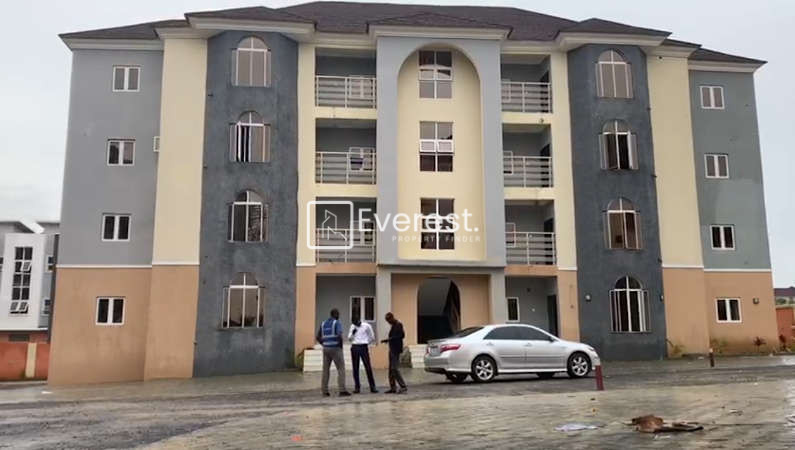
Documentation Examples Across Africa
Nigeria
Property buyers commonly review:
- Certificate of Occupancy
- Governor’s Consent
- Deed of Assignment
- Survey Plan
- Excision documents
- Gazette records
Ghana
Investors frequently verify:
- Land Title Certificates
- Lease Agreements
- Site Plans
- Lands Commission records
Kenya
Common documentation includes:
- Title Deeds
- Leasehold Titles
- Freehold Titles
- Land Registry searches
South Africa
Property ownership verification generally involves:
- Title Deeds
- Deeds Office records
- Municipal compliance documentation
Rwanda
Investors typically review:
- Land Title Certificates
- Registration records
- Land Bureau documentation
Although terminology differs, the objective remains identical:
Confirm legal ownership before payment.
Warning Signs in Property Documentation
Documentation should immediately receive additional scrutiny if:
- Documents appear incomplete.
- Names do not match identification records.
- Survey plans contain inconsistencies.
- Registration numbers cannot be verified.
- Sellers refuse independent verification.
- Original documents are unavailable.
- Multiple versions of the same document exist.
Any one of these issues should delay the transaction until fully investigated.
Real-World Scenario
Consider an investor living in the United Kingdom who plans to purchase land in Accra.
The seller provides photocopies of several documents but refuses to allow verification through the appropriate government authority, claiming that verification will “delay the transaction.”
At the same time, the seller repeatedly insists that payment must be made immediately because other buyers are interested.
An experienced investor recognizes multiple warning signs:
- Verification is discouraged.
- Original documents are unavailable.
- Artificial urgency is being created.
Instead of proceeding, the investor instructs a property lawyer to verify ownership through official channels.
The investigation later reveals that the seller was not the registered owner.
The investor avoided a potentially devastating financial loss simply by insisting on proper documentation.
Best Practice
Never purchase property based solely on:
- Verbal promises
- Photocopies
- WhatsApp messages
- Email attachments
- Family recommendations
Every important document should be independently verified before funds are transferred.
A few days spent conducting proper due diligence can prevent years of legal disputes.
Warning Sign #3 — Poor Location
Even the most attractive building cannot overcome the disadvantages of a poor location.
Experienced investors understand that they are not simply buying a structure—they are investing in a neighborhood, an economy, and the future growth potential of an area.
This is why the famous phrase “Location, Location, Location” remains one of the most important principles in real estate.
Why Location Determines Investment Performance
Location affects nearly every aspect of property performance, including:
- Rental demand
- Property appreciation
- Occupancy rates
- Future resale value
- Buyer interest
- Business opportunities
Two identical houses can produce completely different investment results simply because they are located in different neighborhoods.
Property Appreciation Depends on Location
Properties located in growing communities generally appreciate more quickly than properties located in stagnant areas.
Investors should research:
- Population growth
- Urban expansion
- Infrastructure projects
- Government investment
- Commercial development
- Employment opportunities
These factors often indicate future appreciation potential.
For example, areas surrounding major infrastructure projects in Lagos, Nairobi, Kigali, and Accra have experienced substantial increases in land values over time as development expanded outward.
Accessibility Matters
Accessibility significantly influences buyer and tenant demand.
Investors should evaluate how easily people can reach the property.
Important considerations include:
- Major roads
- Public transport
- Airports
- Business districts
- Schools
- Hospitals
- Shopping centres
Properties that are difficult to access often struggle to attract consistent demand.
Security Influences Demand
Security is a major consideration for both homeowners and tenants.
Before purchasing property, investors should assess:
- Crime levels
- Street lighting
- Gated communities
- Security patrols
- Emergency services
Safer neighborhoods generally maintain stronger long-term demand.
Infrastructure Drives Value
Infrastructure investment often transforms entire communities.
Investors should investigate:
- Electricity reliability
- Water supply
- Drainage systems
- Internet connectivity
- Road improvements
Government investment frequently increases surrounding property values.
Economic Activity Creates Opportunity
Areas with expanding business activity usually generate stronger housing demand.
Examples include neighborhoods near:
- Industrial parks
- Technology hubs
- Universities
- Hospitals
- Government offices
- Commercial centres
Employment growth attracts residents, which increases demand for housing.
Future Development Plans
One of the smartest investment strategies involves identifying locations before they become widely recognized.
Research local development plans to determine whether the area is expected to benefit from:
- New highways
- Rail projects
- Airports
- Shopping malls
- Universities
- Industrial zones
Early investors often benefit the most.
Practical Example
Imagine two investors purchasing similar properties.
Investor A buys a house because it has luxurious finishes but ignores the surrounding neighborhood.
Investor B purchases a more modest property located within a rapidly developing district where new roads, schools, hospitals, and commercial developments are planned.
Five years later, Investor B’s property has appreciated substantially due to increased demand, while Investor A struggles with weak resale interest because the surrounding area has experienced little improvement.
The lesson is simple:
Beautiful buildings may attract attention, but strong locations create lasting value.
Warning Sign #4 — Weak Rental Demand
Many property investors purchase real estate with the expectation of generating consistent rental income. Whether the goal is monthly cash flow, long-term appreciation, or a combination of both, rental demand plays a central role in determining whether an investment succeeds.
Unfortunately, many first-time investors focus exclusively on the property itself while overlooking an equally important question:
Will people actually want to live or work here?
A beautiful apartment in an area with little rental demand can remain vacant for months, or even years, while a more modest property in a high-demand location may have a waiting list of prospective tenants.
Smart investors never assume rental demand—they research it.
Why Rental Demand Matters
Rental income is often what allows a property to generate positive cash flow.
Consistent occupancy helps investors:
- Pay mortgage obligations
- Cover maintenance costs
- Build long-term wealth
- Reduce financial risk
- Improve return on investment
Low occupancy, on the other hand, can quickly turn an investment into a financial burden.
Understanding Vacancy Rates
Vacancy rate refers to the percentage of rental properties that remain unoccupied within a particular area.
High vacancy rates usually indicate:
- Weak demand
- Oversupply
- Economic challenges
- Poor location
- Declining neighborhoods
Low vacancy rates generally suggest strong tenant demand and healthier investment conditions.
Before purchasing any rental property, investors should determine:
- How quickly similar properties are rented.
- Average occupancy rates.
- Average rental prices.
- Tenant turnover rates.
These indicators provide valuable insight into market performance.
Understanding Local Tenant Demographics
Every neighborhood attracts different types of tenants.
Understanding who rents in a particular area helps investors purchase properties that match market demand.
Examples include:
Young Professionals
They often prefer locations near:
- Business districts
- Public transportation
- Restaurants
- Entertainment
Families
Families typically prioritize:
- Schools
- Healthcare
- Security
- Parks
- Spacious homes
Students
Student housing performs best near:
- Universities
- Colleges
- Research institutions
Corporate Tenants
Business executives often seek:
- Luxury apartments
- Serviced residences
- Secure estates
- Convenient transportation
Matching the property to the target tenant significantly improves rental performance.
Employment Opportunities Drive Housing Demand
People generally choose to live close to where they work.
Areas experiencing employment growth usually experience increasing housing demand.
Examples include locations near:
- Industrial parks
- Technology hubs
- Government offices
- Financial districts
- Oil and gas facilities
- Manufacturing centers
As employment increases, demand for nearby housing often follows.
Business Activity Supports Rental Markets
Commercial growth creates demand for both residential and commercial property.
New shopping centers, office complexes, logistics facilities, and industrial developments often stimulate surrounding real estate markets.
For example:
A new manufacturing plant may attract hundreds of workers.
Those workers require:
- Apartments
- Family housing
- Retail services
- Restaurants
Business investment often becomes a catalyst for property appreciation.
Population Growth Creates Long-Term Demand
Growing populations require additional housing.
Investors should research:
- Census data
- Urban migration trends
- Birth rates
- Economic growth
Cities experiencing sustained population growth generally provide stronger long-term opportunities.
Across Africa, cities such as Lagos, Accra, Nairobi, Kigali, Dar es Salaam, Kampala, Lusaka, and Abidjan continue expanding as people relocate in search of employment and better living standards.
Practical Example
Consider two investors.
Investor A purchases ten luxury apartments in an isolated area because the construction quality is exceptional.
Investor B purchases ten smaller apartments near a growing university district.
Although Investor A owns higher-quality buildings, Investor B achieves stronger rental occupancy because students, lecturers, and university staff continually seek nearby accommodation.
Demand—not luxury alone—determines investment performance.
Questions Every Investor Should Ask
Before purchasing rental property, ask:
- Who is my ideal tenant?
- Why would they choose this location?
- How long do similar properties remain vacant?
- Are rental prices increasing or declining?
- What major employers operate nearby?
- Are new businesses moving into the area?
- Is population growth supporting future demand?
These questions often reveal opportunities that property photographs cannot.
Warning Sign #5 — Structural Problems and Poor Construction Quality
Attractive finishes can sometimes hide serious construction defects.
Fresh paint, modern lighting, and stylish interior design may create an impressive first impression, but experienced investors know that cosmetic improvements do not necessarily indicate structural integrity.
One of the most expensive mistakes an investor can make is purchasing a property without conducting a professional building inspection.
Why Structural Integrity Matters
A structurally defective building can require substantial repairs after purchase.
These repairs may involve:
- Foundation stabilization
- Roof replacement
- Electrical rewiring
- Plumbing reconstruction
- Waterproofing
- Concrete repairs
Unexpected repair costs can significantly reduce investment returns.
Foundation Problems
The foundation supports the entire building.
Common warning signs include:
- Large cracks in walls
- Uneven floors
- Doors that no longer close properly
- Windows that stick
- Visible settlement
Foundation repairs are often among the most expensive construction problems.
Professional evaluation is essential.
Roof Defects
Roof problems frequently result in:
- Water penetration
- Mold growth
- Ceiling damage
- Timber deterioration
- Electrical hazards
Inspect roofs carefully for:
- Missing roofing materials
- Water stains
- Sagging structures
- Poor drainage
Water Damage
Water damage may indicate:
- Plumbing leaks
- Roof leaks
- Rising damp
- Poor drainage
- Flooding
Visible warning signs include:
- Peeling paint
- Mold
- Damp walls
- Musty odors
- Discoloration
Water damage should never be ignored.
Drainage Problems
Poor drainage can create long-term maintenance issues.
Investors should inspect:
- Surface water runoff
- Stormwater drainage
- Flood history
- Site grading
Properties located in flood-prone areas require additional investigation.
Electrical Systems
Electrical faults present both safety and financial risks.
Professional electricians should inspect:
- Wiring quality
- Distribution boards
- Earthing systems
- Circuit protection
Older buildings may require costly electrical upgrades.
Plumbing Systems
Poor plumbing can result in:
- Leaks
- Low water pressure
- Pipe corrosion
- Drainage failures
Plumbing inspections should include bathrooms, kitchens, and external services.
Construction Workmanship
Experienced investors also evaluate construction quality.
Signs of poor workmanship include:
- Uneven finishes
- Cracked tiles
- Misaligned doors
- Poor plastering
- Inconsistent concrete work
While some cosmetic defects are easily repaired, others may indicate deeper construction issues.
Environmental Factors
Property condition should also be evaluated alongside environmental risks.
Consider whether the property is exposed to:
- Flooding
- Soil erosion
- Landslides
- Coastal erosion
- Poor soil conditions
Environmental problems often affect long-term investment performance.
The Importance of Professional Inspections
Professional inspections provide objective assessments.
Qualified inspectors may identify issues that are not immediately visible to buyers.
Depending on the property type, investors should consider engaging:
- Structural engineers
- Building inspectors
- Quantity surveyors
- Architects
- Mechanical and electrical engineers
The cost of an inspection is minimal compared with the potential cost of purchasing a defective property.
Practical Example
A buyer purchases a newly completed duplex because it appears modern and luxurious.
Three months after taking possession:
- Large wall cracks begin to appear.
- Roof leaks develop during heavy rainfall.
- Drainage problems cause water to accumulate around the foundation.
- Electrical faults interrupt power throughout the house.
Subsequent inspections reveal poor workmanship and inadequate supervision during construction.
Repair costs amount to tens of thousands of dollars—expenses that could have been avoided through proper pre-purchase inspections.
The lesson is clear:
Always inspect beyond the paint.
A beautiful finish may impress the eye, but only a thorough professional inspection reveals the true condition of a property.
Warning Sign #6 — Pressure to Make Immediate Payment
One of the oldest tactics used in fraudulent property transactions is creating a false sense of urgency.
Scammers and dishonest sellers understand that investors who feel rushed are less likely to ask questions, verify documents, or seek professional advice. By convincing buyers that they must “act now or lose the opportunity,” they hope to prevent proper due diligence.
Experienced property investors know that a genuinely good investment today will still be a good investment tomorrow after appropriate verification has been completed.
A seller who refuses to allow reasonable time for due diligence should immediately raise concerns.
Artificial Urgency Is a Major Red Flag
Many buyers have heard statements such as:
- “Another buyer is ready to pay today.”
- “This price expires this evening.”
- “You must transfer the deposit immediately.”
- “We have only one unit left.”
- “Management has instructed us to close this deal today.”
- “Prices will double tomorrow.”
While genuine competition sometimes exists, constant pressure to make immediate payments should encourage investors to slow down rather than speed up.
Good investment decisions require careful evaluation—not panic.
Common High-Pressure Sales Tactics
Unscrupulous sellers often use emotional rather than factual persuasion.
Fake Competing Buyers
A seller may claim several buyers are waiting to purchase the property.
The objective is to create fear of missing out (FOMO).
In reality, no competing buyers may exist.
Professional investors focus on facts rather than emotion.
Limited-Time Discounts
Discounts can be legitimate, particularly during promotional campaigns by reputable developers.
However, investors should ask:
- Is the promotion documented?
- Does the developer have a history of honoring similar offers?
- Is the discounted price consistent with market values?
Never assume that every “special offer” represents genuine savings.
Emotional Pressure
Some sellers attempt to build emotional connections by saying things such as:
- “Trust me.”
- “You don’t need a lawyer.”
- “I’ve sold many properties this way.”
- “We’re like family.”
While good relationships are valuable, property transactions should always be based on documentation rather than emotion.
Deposit Requests Before Verification
One of the most dangerous situations occurs when buyers are asked to pay deposits before:
- Seeing the property
- Verifying ownership
- Reviewing documents
- Conducting legal searches
No matter how attractive the opportunity appears, verification should always come first.
Why Investors Should Never Rush
Real estate is generally a long-term investment.
Taking several additional days—or even weeks—to conduct proper due diligence is insignificant compared with owning the property for many years.
Before transferring any funds, investors should confirm:
- Ownership
- Legal documentation
- Survey records
- Government approvals
- Property condition
- Market value
Rushing often increases risk without providing meaningful benefits.
Realistic Example
A Ghanaian engineer living in Germany receives information about an apartment development in Accra.
The sales representative explains that only one apartment remains available and insists that a 30% deposit must be transferred within twenty-four hours.
Rather than sending the money immediately, the investor requests:
- Developer registration details
- Building approvals
- Sample contracts
- Previous project references
- Independent legal review
The representative becomes impatient and stops responding.
A few weeks later, the investor discovers that the development had never received planning approval.
By refusing to rush, the investor avoided a potentially devastating financial loss.
Best Practice
Whenever someone pressures you to make immediate payment, pause and ask yourself:
- Why am I being rushed?
- What information have I not yet verified?
- Would a professional investor make this decision today?
If the answers raise concerns, slow down.
Good investments reward patience.
Warning Sign #7 — Lack of Professional Guidance
Successful property investors rarely make important investment decisions alone.
Even experienced investors rely on specialists to help identify risks, interpret legal documents, inspect buildings, and evaluate market conditions.
Unfortunately, many first-time buyers attempt to reduce costs by avoiding professional advice.
This decision often becomes one of the most expensive mistakes they ever make.
Why Professional Guidance Matters
Property transactions involve multiple disciplines, including:
- Law
- Engineering
- Surveying
- Valuation
- Taxation
- Urban planning
No single investor can reasonably become an expert in every field.
Professional advisers help reduce uncertainty by providing independent opinions based on experience and technical knowledge.
Estate Agents
Professional estate agents provide valuable market knowledge.
A reputable agent can assist investors by:
- Identifying suitable properties
- Explaining local market conditions
- Arranging inspections
- Negotiating purchase terms
- Facilitating communication between buyers and sellers
Investors should work with agents who demonstrate professionalism, transparency, and a strong understanding of the local market.
Property Lawyers
A qualified property lawyer is one of the most important professionals involved in any transaction.
Lawyers assist with:
- Title verification
- Contract review
- Government searches
- Ownership confirmation
- Transfer documentation
- Legal compliance
Attempting to purchase property without legal advice significantly increases investment risk.
Surveyors
Surveyors verify:
- Property boundaries
- Land dimensions
- Encroachments
- Survey accuracy
Boundary disputes remain common in many markets.
Professional surveys help prevent future conflicts.
Property Valuers
Property valuers provide independent assessments of market value.
Valuation helps investors determine whether the asking price reflects current market conditions.
Without valuation, buyers risk paying significantly above market value.
Engineers and Building Inspectors
Structural engineers and building inspectors evaluate:
- Foundation stability
- Structural integrity
- Roof condition
- Drainage systems
- Building defects
- Construction quality
These inspections often reveal issues invisible to untrained buyers.

Financial Advisers
For larger investments, financial advisers can help evaluate:
- Investment returns
- Financing options
- Tax implications
- Cash flow projections
- Portfolio diversification
Good financial planning improves long-term investment outcomes.
The Cost of Skipping Professional Advice
Some buyers avoid professional services to save money.
Ironically, this decision often results in much greater expenses later through:
- Legal disputes
- Hidden defects
- Fraud
- Overpriced purchases
- Incorrect documentation
Professional advice should be viewed as an investment in risk management rather than an unnecessary expense.
Practical Example
A buyer decides to purchase a commercial property without engaging a lawyer or building inspector.
Several months later, the investor discovers:
- The building violates planning regulations.
- Significant structural defects require extensive repairs.
- Outstanding municipal charges remain unpaid.
- Ownership documentation contains unresolved inconsistencies.
Correcting these issues costs far more than the professional fees that could have prevented them.
The lesson is simple:
Experienced investors build teams—not just portfolios.
Additional Red Flags Investors Should Never Ignore
Beyond the seven major warning signs discussed so far, several additional issues deserve careful attention before purchasing any property.
Ignoring these warning signs can lead to significant legal, financial, and operational challenges.
Ongoing Court Cases
Properties involved in litigation may remain tied up for years.
Investors should always confirm whether:
- Ownership disputes exist.
- Court injunctions have been issued.
- Probate matters remain unresolved.
- Family disputes affect ownership.
Purchasing property under active legal dispute can create years of uncertainty.
Government Acquisition Notices
Some properties fall within areas designated for future government projects.
Examples include:
- Highway expansions
- Rail corridors
- Public infrastructure
- Urban redevelopment
Always verify whether any government acquisition or planning restrictions affect the property.
Flood-Prone Locations
Climate-related risks are becoming increasingly important across Africa.
Before purchasing property, investigate:
- Flood history
- Drainage systems
- Elevation
- Seasonal water levels
Flood-prone properties often experience higher maintenance costs and lower long-term demand.
Environmental Hazards
Environmental conditions should never be overlooked.
Potential concerns include:
- Soil contamination
- Erosion
- Landslide risk
- Industrial pollution
- Coastal erosion
Environmental assessments may be necessary for larger developments.
Encroachments
Encroachments occur when neighboring structures extend beyond legal boundaries.
Professional surveys help identify:
- Boundary violations
- Illegal fencing
- Unauthorized construction
Resolving encroachment disputes can be expensive.
Illegal Developments
Properties constructed without proper approvals may face:
- Demolition orders
- Legal penalties
- Occupancy restrictions
Always confirm planning approvals before purchase.
Outstanding Taxes and Charges
Buyers should verify whether the property has:
- Outstanding land taxes
- Municipal charges
- Service fees
- Utility arrears
Unexpected liabilities can reduce investment returns.
Incomplete Infrastructure
Developers sometimes market projects before essential infrastructure has been completed.
Investors should confirm the availability of:
- Roads
- Electricity
- Water
- Drainage
- Internet
- Waste management
Promises of future infrastructure should be supported by credible development plans.
The Importance of Looking Beyond the Property
Successful property investing requires looking beyond attractive architecture.
Investors should evaluate:
- The legal environment
- The surrounding community
- Government planning
- Environmental conditions
- Infrastructure quality
- Long-term economic prospects
The strongest investments combine attractive buildings with strong legal foundations, desirable locations, quality infrastructure, and sustainable market demand.



Join The Discussion