

Introduction
Hottest Real Estate Market in Nairobi, the bustling capital of Kenya, has emerged as a focal point in East Africa’s real estate landscape, showcasing a dynamic market that attracts a plethora of investors. As a hub of regional commerce and culture, Nairobi has not only become a magnet for local buyers but also garnered significant interest from international stakeholders keen to capitalize on the city’s growth potential. This vibrant city offers a unique blend of opportunities, making it an attractive option for those looking to invest in property.
You may be interested to read: Best Places to Buy Land in Accra Before Prices Increase
Recent trends indicate that Nairobi’s real estate market is experiencing considerable momentum, characterized by increasing property values and a diverse range of developments. From luxury apartments to commercial spaces appealing to multinational corporations, the city’s offerings are vast and varied. Factors such as population growth, urbanization, and a steady influx of foreign direct investment are driving demand for real estate, contributing to the overall robustness of the market.
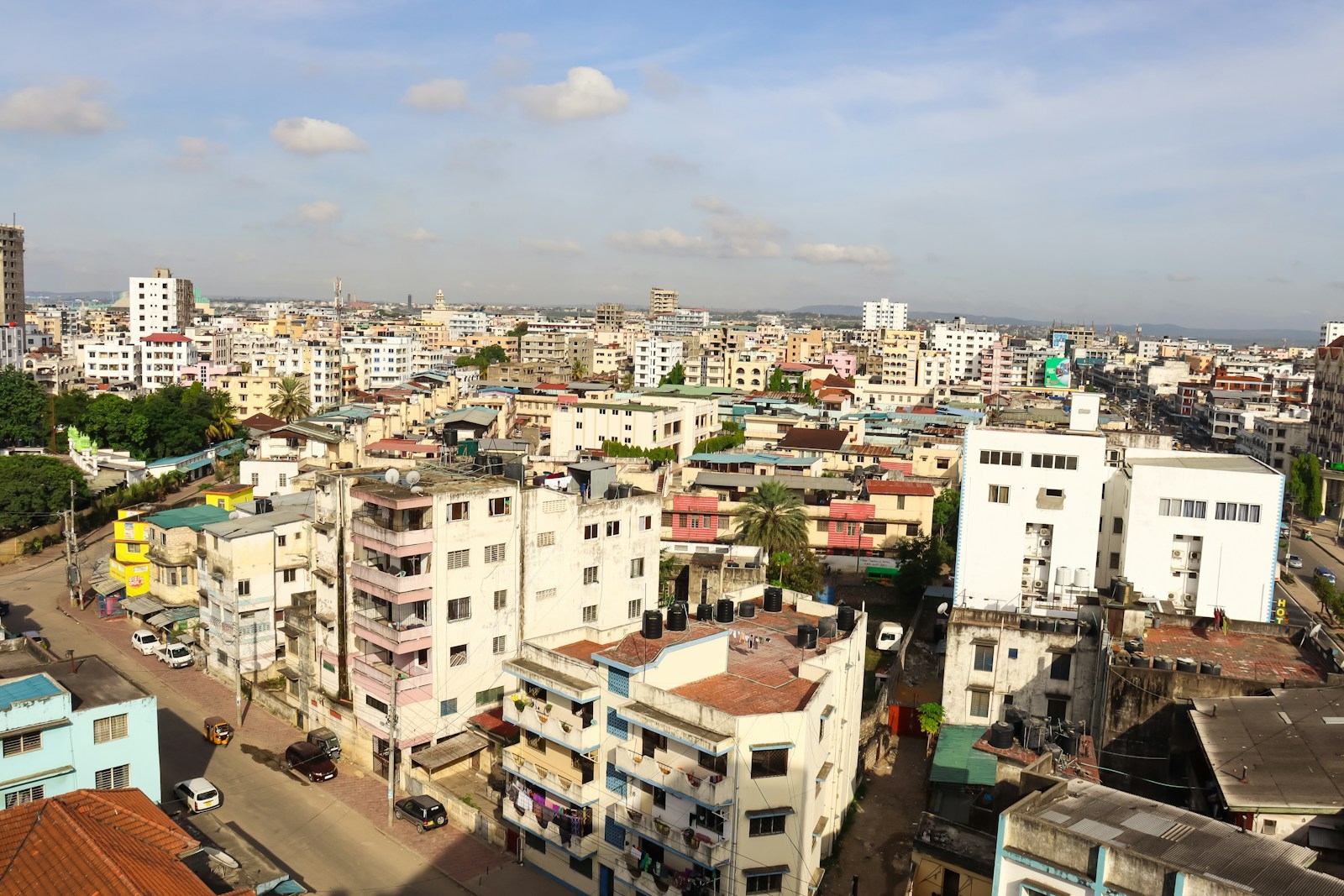
The significance of Nairobi in the context of East Africa cannot be overstated. As one of the region’s most developed cities, it serves as a key economic engine, facilitating trade and investment opportunities that extend beyond its borders. The presence of various international organizations, alongside a burgeoning middle class, has spurred growth in both residential and commercial sectors, creating a ripe environment for property investment.
This blog post will delve deeper into the reasons behind the escalating interest in Nairobi’s real estate market. By exploring the various components that make the city an attractive hub for investors, we aim to provide a comprehensive understanding of its current dynamics and future prospects. Through this examination, it will become clear why Nairobi is regarded as East Africa’s hottest real estate market.
The Appeal of Nairobi for Investors
Nairobi has emerged as a vibrant hub for real estate investment in East Africa, attracting both local and international investors. Several factors contribute to this growing appeal, primarily its economic stability, significant growth potential, and a burgeoning tech scene. Over the past decade, the Kenyan economy has demonstrated resilience and dynamism, underpinned by a steady inflation rate and a conducive business environment. This stability is a crucial factor that instills confidence in investors, thereby facilitating increased interest in the real estate sector.
One of the primary drivers of growth in Nairobi is its strategic location as a regional center for commerce and trade. The city’s robust infrastructure, including an expanding road network and the development of the Standard Gauge Railway, enhances connectivity and accessibility, making it an attractive destination for businesses. This infrastructure development not only facilitates movement but also encourages urbanization, creating a surge in demand for residential and commercial properties.
Moreover, Nairobi is emerging as a technology hotspot in Africa, often referred to as “Silicon Savannah.” The city’s rapidly expanding tech industry is incubating innovative startups and attracting tech giants, resulting in an influx of skilled professionals and expatriates. This demographic shift has led to increased demand for housing and workspace, further underpinning the appeal of property investment opportunities in Nairobi.
Research indicates that the city’s real estate market has shown considerable resilience even in fluctuating economic conditions. Both residential and commercial properties have recorded significant appreciation in value. These factors collectively contribute to Nairobi’s standing as a promising investment destination in the real estate market, encouraging investors to capitalize on its growth potential and vibrant economic landscape.
Population Growth and Urbanization Trends
Nairobi, the vibrant capital city of Kenya, is witnessing remarkable population growth and urbanization, factors that are significantly shaping its real estate market. According to the latest estimates, the population of Nairobi has surged to over 4.3 million people, marking it as one of the fastest-growing cities in Africa. Projections suggest that by the year 2050, this figure could reach over 10 million, driven primarily by migration from rural areas and other regions seeking better opportunities.
The impact of urbanization on housing demand is palpable, as more people flock to the city in pursuit of employment, education, and improved living standards. A recent report indicates that urbanization in Nairobi is occurring at an annual rate of 4.1%, considerably above the national average. This rapid urban expansion necessitates the construction of new residential units, as well as commercial developments to support the growing population.
Moreover, the demographic composition of Nairobi is evolving, with a significant proportion of residents being young, which is indicative of a robust workforce. As the youth population continues to increase, they tend to demand modern housing solutions and amenities that foster lifestyle and community engagement. This demographic trend heightens the need for more diversified real estate options, ranging from affordable housing to luxury apartments and commercial spaces.
In addition to residential needs, the burgeoning population emphasizes the requirements for versatile commercial properties, such as retail spaces and offices, to accommodate businesses aiming to serve a larger consumer base. As urbanization continues, Nairobi’s real estate sector must adapt to these demographic shifts, presenting a wealth of opportunities for investors and developers looking to capitalize on this dynamic market.
Kenya’s Growing Middle Class and Foreign Investment
The real estate sector in Nairobi is witnessing a remarkable transformation, driven largely by the burgeoning middle class in Kenya. This demographic shift has resulted in notable changes in consumer preferences and spending power, especially when it comes to property ownership. As incomes rise and financial literacy improves, more individuals from the middle class are seeking to invest in real estate, viewing it as a solid financial asset. The aspiration for home ownership has gained significant traction, with many opting for residential properties as a means of wealth accumulation.
Moreover, the growth of the middle class has been supported by various economic policies and initiatives aimed at enhancing access to finance. Microfinance institutions and banks are increasingly offering tailored mortgage products that cater to the financial capabilities and needs of this demographic. As a result, the demand for affordable housing and well-located properties in Nairobi has surged, encouraging real estate developers to cater to this growing market segment.

In parallel with this local demand, there has been a notable influx of foreign investment in Nairobi’s real estate market. Investors from various regions, including Europe, the Middle East, and Asia, are increasingly looking at Kenya as a viable option for property investment. This surge can be attributed to factors such as the country’s strategic location, robust infrastructure advancements, and a relatively stable political climate. Foreign entities are not only investing in commercial real estate but are also engaging in residential projects that cater to the local population’s growing needs.
This dual dynamic, characterized by both a rising middle class and foreign investment, is poised to solidify Nairobi’s position as a premier real estate hub in East Africa. As these trends continue to evolve, they will undoubtedly shape the future landscape of property ownership and investment in the region.
The Tech Startup Ecosystem and Infrastructure Developments
Nairobi has emerged as a significant tech hub in Africa, often referred to as “Silicon Savannah.” This burgeoning environment is driven by a vibrant community of tech startups that are leveraging the city’s innovative spirit and entrepreneurial culture. With companies proliferating across various sectors, Nairobi is attracting substantial investment and talent, fostering growth in sectors such as FinTech, health tech, and agritech. The presence of numerous incubators, accelerators, and co-working spaces has further cemented its reputation as a dynamic ecosystem for tech-driven innovation.
One invaluable advantage of Nairobi’s tech ecosystem is the improvement in infrastructure that accompanies this growth. As the demand for office spaces increases due to the influx of tech companies, significant investments are being made in commercial real estate. Developers are keen to create modern office spaces equipped with necessary amenities including high-speed internet, meeting rooms, and recreational areas, tailored to meet the needs of tech firms.
Furthermore, the expansion of transport and communication infrastructure is enhancing connectivity throughout the city and beyond. Major projects such as the Nairobi Expressway and ongoing developments in public transport aim to ease mobility challenges that many businesses face. With improved access and reduced travel times, the demand for quality residential spaces in proximity to business districts is on the rise. This evolving landscape is reflected in the real estate market, where both commercial and residential properties are experiencing unprecedented demand.
In conclusion, Nairobi’s evolution into a tech startup haven, coupled with necessary infrastructure improvements, is playing a pivotal role in shaping its real estate market. As startups continue to thrive, the city’s real estate landscape is adapting accordingly, presenting opportunities that are increasingly attractive to investors and developers alike.
Demand for Residential and Commercial Properties
Nairobi’s real estate market is undergoing significant transformation, driven by a surge in demand for both residential and commercial properties. The city’s expanding urban population, coupled with economic growth, has intensified the interest in various property types, shaping the avenues for investment and development.
In the residential sector, there has been a marked increase in demand for affordable housing options. Developers are responding to this trend by constructing high-density housing projects that cater to young professionals and families. Furthermore, the appeal for well-located properties continues to drive interest in suburbs like Karen and Westlands, where both rental and purchase prices are on the rise. Additionally, luxury residences are gaining traction among affluent buyers, with a notable preference for gated communities and villas that offer enhanced lifestyle options.
On the commercial side, Nairobi is witnessing a burgeoning demand for office spaces, driven mainly by the growth of startups and multinational companies establishing their bases in the city. The demand for modern coworking spaces has also escalated, a trend largely attributed to the millennial workforce’s preference for flexible working environments. Retail properties are not being left behind either; the growth of e-commerce in the region has stimulated demand for logistics and warehousing spaces.
Moreover, the rise of short-let and Airbnb properties is reshaping the local real estate landscape. With an increasing number of tourists and business travelers flocking to Nairobi, there is a clear opportunity for investors to capitalize on the short-term rental market. This segment not only offers attractive returns but also presents a unique diversification strategy for real estate portfolios. Overall, the evolving demand for these property types in Nairobi signals robust opportunities for both local and international investors.
Key Locations in Nairobi: A Detailed Analysis
Nairobi’s real estate market is characterized by a diverse range of neighborhoods, each offering unique attributes that contribute to its appeal. Among these, Westlands has emerged as a vibrant commercial hub, attracting both local and international businesses. Its strategic location and abundance of amenities have made it a top choice for investors looking to capitalize on high rental yields and steady property appreciation.
Kilimani is another sought-after area, known for its blend of residential and commercial real estate. The area boasts a dynamic lifestyle, with various shopping centers, schools, and recreational facilities. The demand for rental properties remains strong here, driven by young professionals and expatriates seeking convenient urban living.
Moving further out, one finds the affluent suburb of Karen, renowned for its expansive properties and serene environment. This prestigious area appeals to families and high-net-worth individuals looking for luxurious homes. The investment potential is promising, given Karen’s proximity to international schools and medical facilities.
Kileleshwa offers a mix of modern apartments and family homes, making it a favorite among middle-income earners. Its strategic location near major transport routes enhances property demand, while its community-oriented atmosphere fosters a desirable lifestyle.
Runda, with its gated communities and lush landscapes, is ideal for those seeking a tranquil residential setting. The market here is buoyed by high-end investors looking for exclusive properties. Upper Hill has become a prime commercial zone, with a burgeoning number of corporate offices, leading to a significant uptick in demand for nearby housing.
Parklands is popular among the Muslim community due to its proximity to mosques; it offers a variety of affordable housing options. Lavington is another upscale neighborhood known for its elegant homes and greenery, attracting affluent buyers. Lastly, Ruaka and Syokimau present great opportunities for affordable housing developments, catering to the growing population in Nairobi.
Practical Investment Tips
Investing in Nairobi’s burgeoning real estate market can provide substantial returns, but it requires due diligence and informed decision-making. One of the primary steps for potential investors is to verify property documents. This includes ensuring that the title deed is legitimate and free of any encumbrances. Investors should consult the Ministry of Lands or a legal professional to confirm ownership and ascertain any outstanding issues, such as pending land disputes or unpaid dues.
Another crucial aspect is to identify common pitfalls that may arise during the investment process. For instance, it is essential to be wary of overly attractive deals that may turn out to be scams. Deals that seem too good to be true often are, so maintaining a healthy skepticism can protect investors from significant losses. Potential investors should also be mindful of properties that are not pictured or described accurately, as this might indicate fraudulent listings.
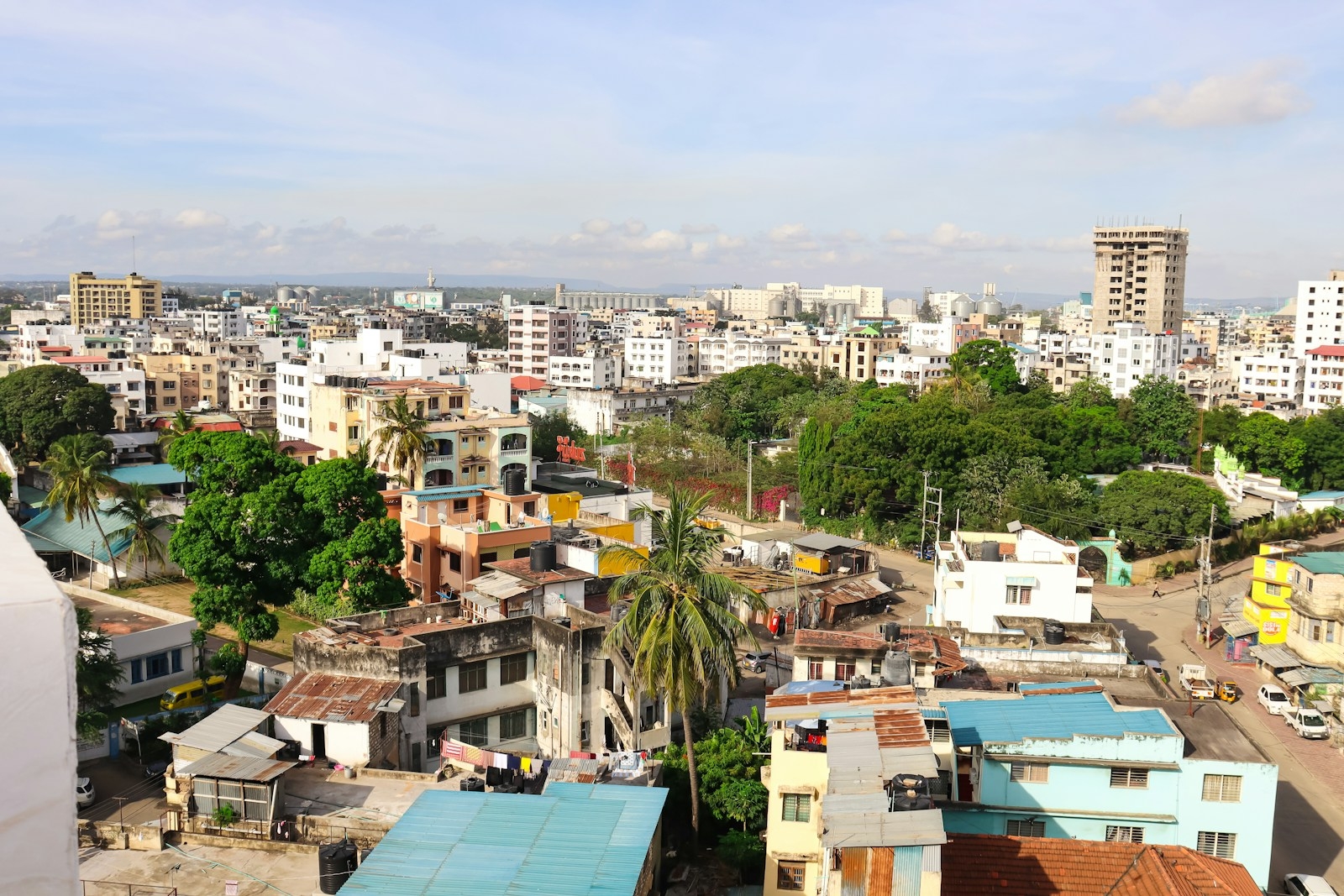
When searching for genuine property listings, leverage credible online platforms and consult local real estate agencies with positive reputations. Real estate blogs, social media groups, and community discussions can provide valuable insight into genuine listings and local trends. Furthermore, viewing properties in person can help determine their condition and attitude towards the neighborhood.
Lastly, consulting trusted real estate agents is of utmost importance. Agents possess extensive knowledge of the market and can guide investors towards opportunities that align with their investment goals. Their expertise can aid in navigating negotiations, understanding local laws, and ensuring compliance with all necessary regulations. Building relationships with such professionals will not only provide insights but also access to off-market deals, which can be crucial for securing desirable investments.
Conclusion and Call to Action
In conclusion, Nairobi is emerging as a leading hub for real estate investment in East Africa due to its favorable economic conditions, developing infrastructure, and rising demand for residential and commercial properties. The city’s strategic location as a regional business center enhances its appeal, making it an attractive choice for both local and international investors.
The growth trajectory of Nairobi’s real estate market is supported by various factors, including the government’s commitment to improving infrastructure, a booming middle class, and increasing urbanization. As demand continues to rise, property values are expected to appreciate, providing lucrative opportunities for investors.
Given the promising landscape for real estate investment in Nairobi, it is prudent for potential buyers and investors to act swiftly. The market presents numerous verified property listings that cater to various needs and budgets, making it easier for investors to find suitable options. We encourage readers to explore verified property listings on Everest Property Finder to capitalize on the investments available in Nairobi’s dynamic real estate market. Whether you are looking for residential homes or commercial spaces, you will find a range of options tailored to your preferences.



Join The Discussion